<pavilon>Rolex</pavilon>
19. architectural biennale in Venice

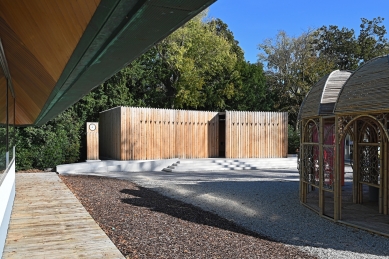
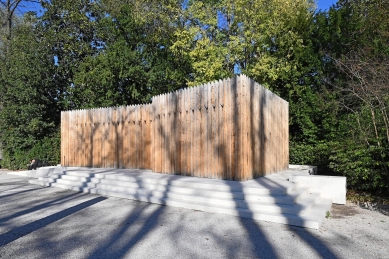
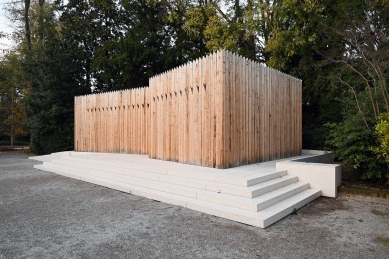
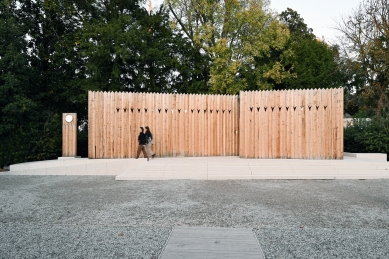
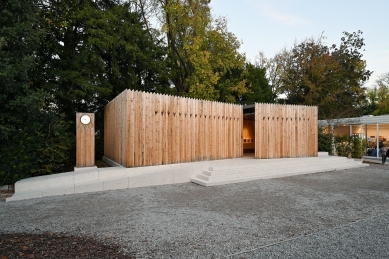
The watchmaking pavilion of the Rolex company at the 19th architectural biennale in the Venetian Giardini park replaced the original temporary structure from 2018, designed by Jordanian architect Sahel Al Hiyari. The new pavilion was created in response to the motto “natural, artificial, and collective intelligence” chosen by the biennale's main curator Carlo Ratti. The author is the African architect Mariam Issoufou, who decided to pay tribute through her project to the city of Venice and its deeply rooted relationship with glass art.
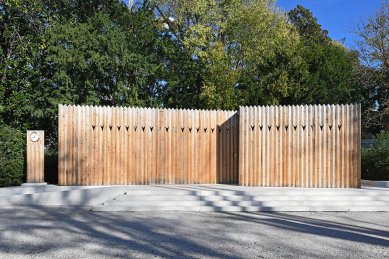
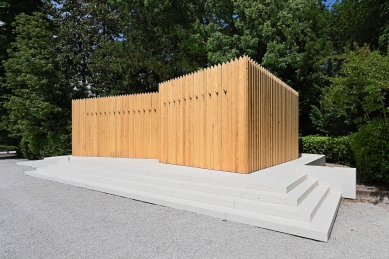
The structural solution allows for easy disassembly so that the pavilion can be reused at the next biennale or in a completely different location. The starting point for the design was the shape of Venice itself. The island is split in half by the winding Canal Grande, which inspired both the external form and the internal layout for exhibitions. One half of the pavilion was dedicated to the newly renovated Rolex stores in Milan and Tokyo, while the second part showcased the work of Lebanese architect Arine Aprahamian (a Rolex scholarship recipient in architecture for 2025), who is currently creating under the patronage of French architect Anne Lacaton.
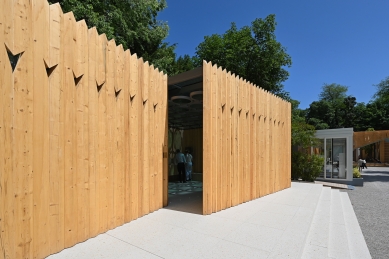
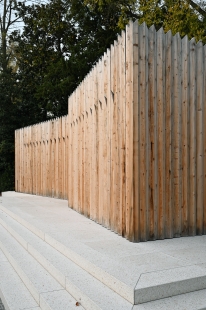
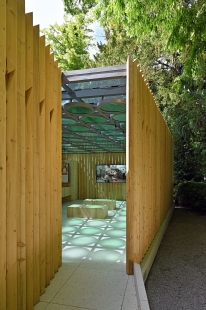
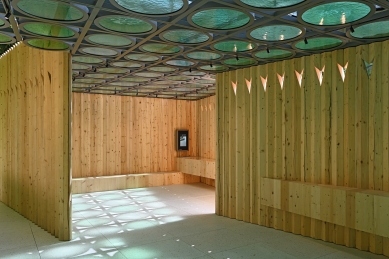
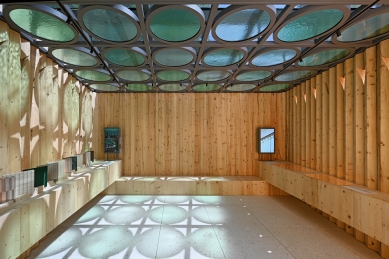
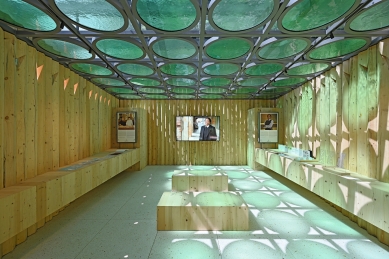
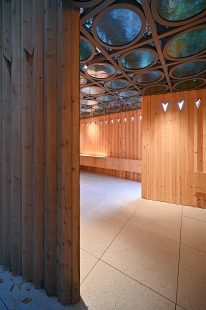
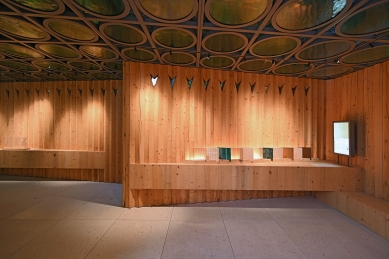
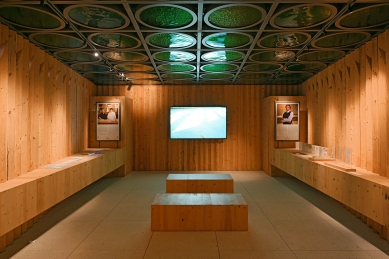
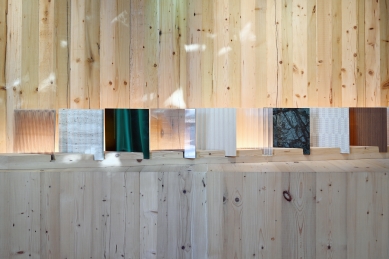
Recycled materials were used in the construction. In collaboration with glass masters from the Vistosi workshop, circular glass discs were created, which are set into a steel frame and form the ceiling of the pavilion. The translucent green-colored ceiling, reminiscent of the foliage of trees above the pavilion, provides ample natural light that changes according to the weather and time of day. Glass fragments from Murano can also be found in the floor, where they are embedded in polished terrazzo instead of gravel. The main structure is made of recycled steel. Individual elements are bolted together to allow for easy disassembly. The pavilion's cladding consists of 200-year-old wooden beams from Venetian palaces, thus creating a connection to the city's history.
The structural solution allows for easy disassembly so that the pavilion can be reused at the next biennale or in a completely different location. The starting point for the design was the shape of Venice itself. The island is split in half by the winding Canal Grande, which inspired both the external form and the internal layout for exhibitions. One half of the pavilion was dedicated to the newly renovated Rolex stores in Milan and Tokyo, while the second part showcased the work of Lebanese architect Arine Aprahamian (a Rolex scholarship recipient in architecture for 2025), who is currently creating under the patronage of French architect Anne Lacaton.
Recycled materials were used in the construction. In collaboration with glass masters from the Vistosi workshop, circular glass discs were created, which are set into a steel frame and form the ceiling of the pavilion. The translucent green-colored ceiling, reminiscent of the foliage of trees above the pavilion, provides ample natural light that changes according to the weather and time of day. Glass fragments from Murano can also be found in the floor, where they are embedded in polished terrazzo instead of gravel. The main structure is made of recycled steel. Individual elements are bolted together to allow for easy disassembly. The pavilion's cladding consists of 200-year-old wooden beams from Venetian palaces, thus creating a connection to the city's history.
The English translation is powered by AI tool. Switch to Czech to view the original text source.

0 comments
add comment