
T10A Pavilion

Assembling Craft and 'Waste' Materials - A Celebration of Sustainability and Innovation
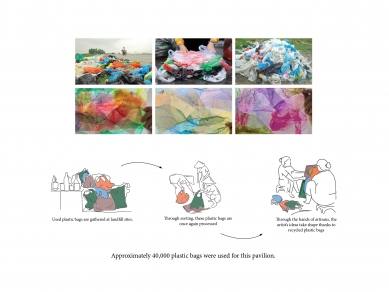
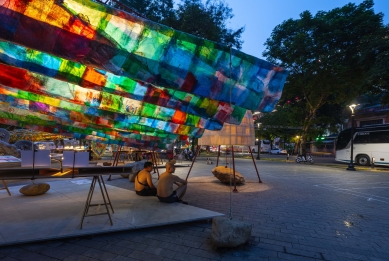
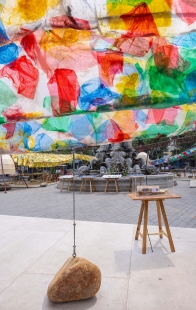
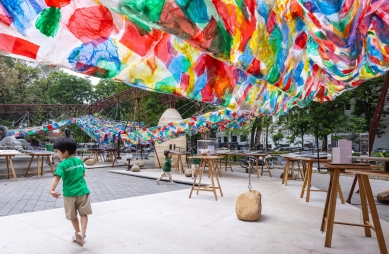
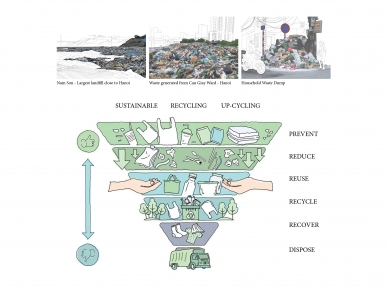
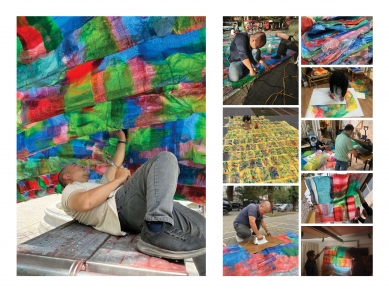
Every year, Vietnam generates around 25 million tons of household waste-from the cramped corners of its city streets to the quiet fields of the countryside. Waste is not merely a by-product of daily life; it reflects how we, as a society, interact with our environment. In response to this reality, the T10A Pavilion was constructed primarily from discarded plastics. More than forty thousand recycled plastic bags were collected and transformed to build the pavilion, a community-driven effort made possible thanks to the support of many volunteers who helped gather materials and participated directly in the construction process.The pavilion was created as both an exhibition space of selected awarded architecture projects and a public demonstration of how sustainable design and recycled materials can spark a more sustainable architectural culture in Vietnam.
Envisioned as a bold statement on recycling, upcycling, and material reuse in contemporary architecture, the pavilion embodies the potential of waste to become something meaningful. Designed as a temporary yet impactful structure, it demonstrates how discarded materials-especially plastic-can be transformed into architectural elements of beauty and function. In Vietnam, plastic waste is abundant, yet its value as a resource remains largely overlooked. Through careful craftsmanship and innovative thinking, this pavilion gives new life to unwanted materials, challenging public perception and inspiring a move toward a circular economy.
Hanoi's Craft Tradition Meets Material Innovation
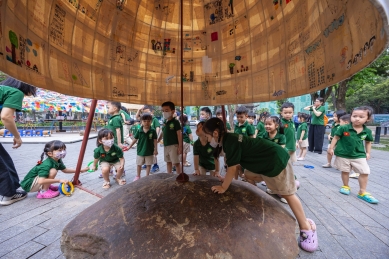
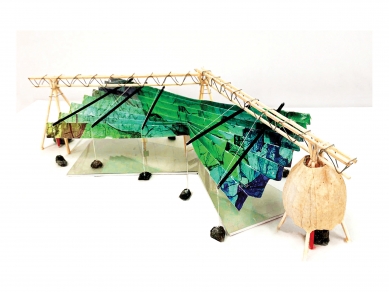
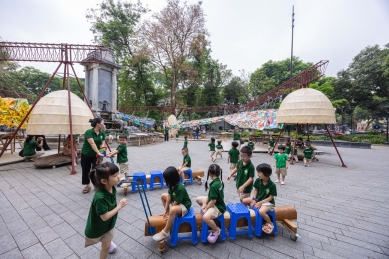
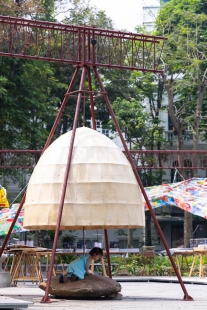
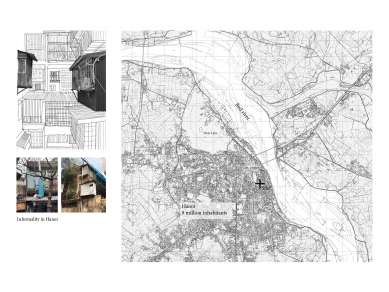
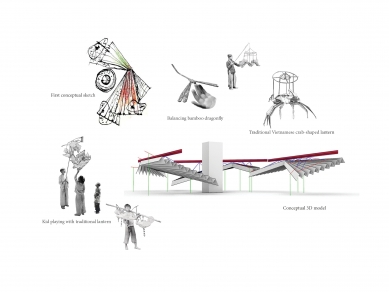
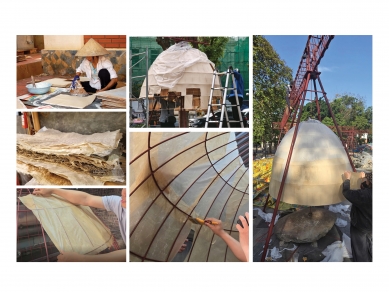
Hanoi, known for its deep cultural roots and surrounding artisan villages, offers fertile ground for material experimentation. The pavilion draws inspiration from the city's longstanding tradition of handmade paper (Gi?y Dó) and from the informal construction methods found across local urban communities. By merging recycled plastic from everyday shopping bags with traditional handmade paper, the structure bridges past and future-where local craft meets modern sustainability. A lightweight steel framework binds these elements, echoing the adaptive and resourceful character of Hanoi's vernacular architecture.As part of the design process, the architects invited Sky kindergarten children to decorate the paper domes with their own drawings-vivid interpretations of how they imagine the city. These contributions added a joyful, human layer to the pavilion, making it not only a crafted object but a collective artwork.
A Dynamic Space for Architectural Dialogue
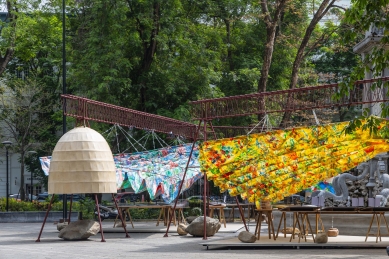
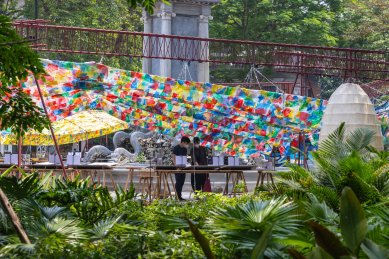
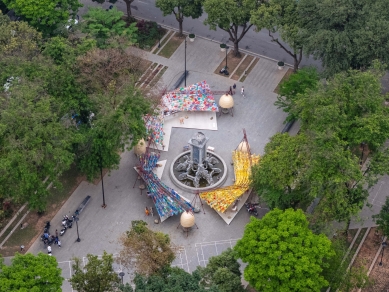
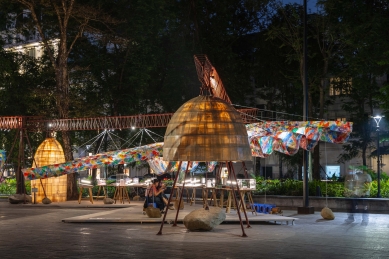
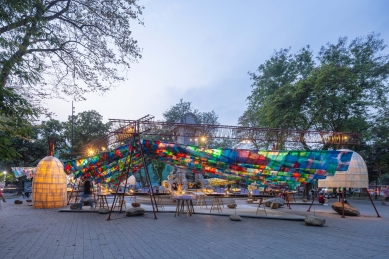
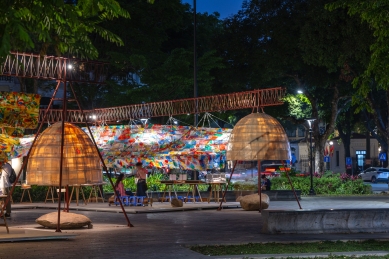
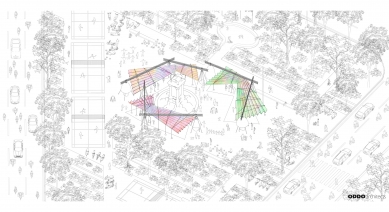
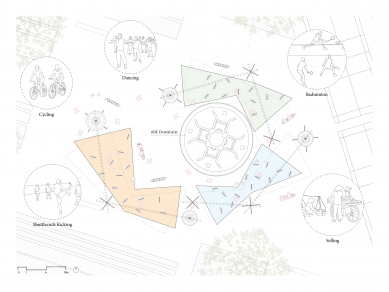
The pavilion features three bold, wing-like roofs, representing the three main exhibition areas showcasing selected architectural projects from Vietnam in the categories of House, Interior, and Sustainability. Each wing uses a distinct color palette, guiding visitors intuitively through the space.Semi-transparent recycled plastic panels filter daylight, casting vibrant, shifting shadows that enrich the spatial experience. At night, the pavilion glows like a lantern, with light illuminating the textured plastic surfaces and transforming the structure into a beacon within the urban landscape.
Beneath these wings, the exhibition unfolds. At its heart are the "paper domes," crafted from Gi?y Dó, which act as intimate environments for exploring architectural drawings, diagrams, and interactive content. Varying in size and height, the domes invite movement, curiosity, and personal discovery.
A New Architectural Temple for the Public
More than an exhibition space, the T10A Pavilion is conceived as a contemporary temple of architecture-a place for reflection, celebration, and shared inspiration. It redefines the role of a temporary pavilion, showing that architecture can be both sustainable and poetic.After the exhibition, the recycled plastic roof panels were further reused in the production of new design objects-such as bags-extending the material's life cycle and reinforcing the project's commitment to circularity.
By demonstrating the potential of repurposed materials, the pavilion encourages architects, designers, and the broader public to view waste not as a burden but as an opportunity for innovation.
This pavilion is not just a structure-it is a statement, an invitation to rethink materials, and a call for a more sustainable architectural future in Vietnam.













0 comments
add comment