
Veranda: The Architecture of Generosity
American Pavilion at the 19th International Architecture Biennale in Venice

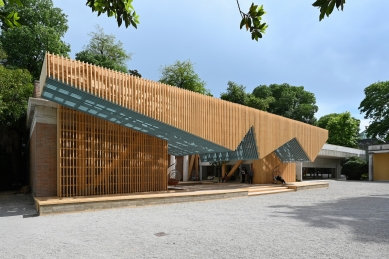
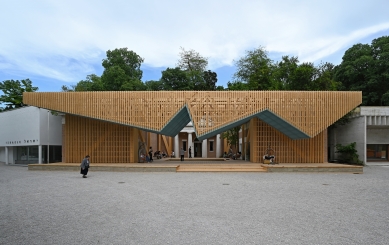
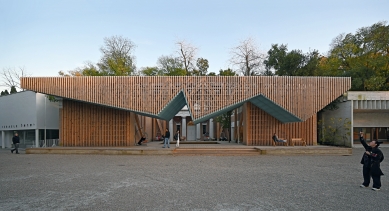
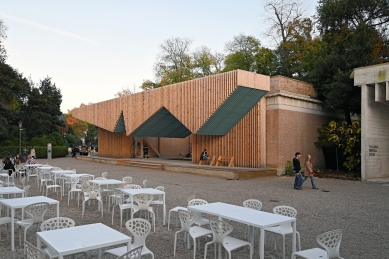
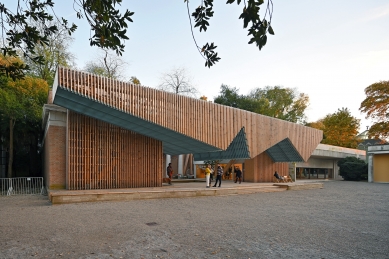
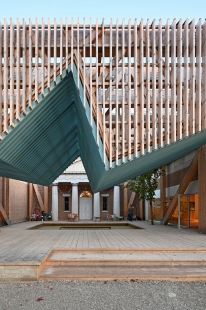
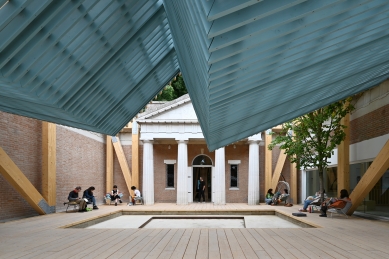
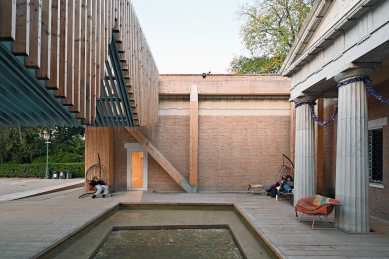
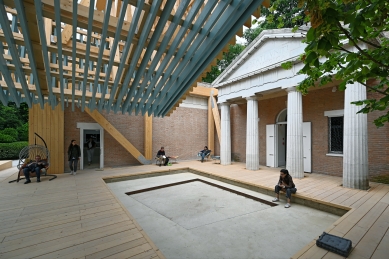
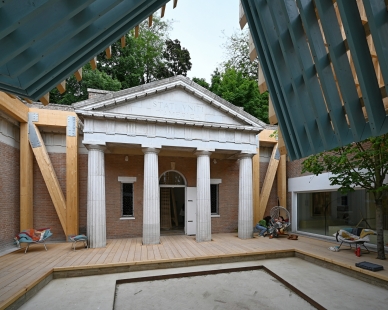
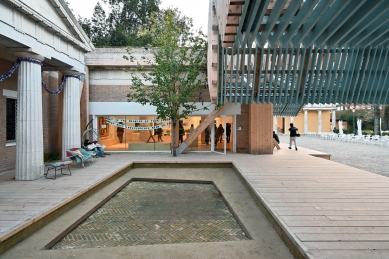
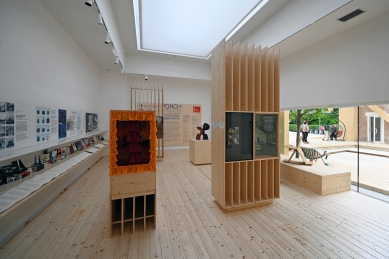
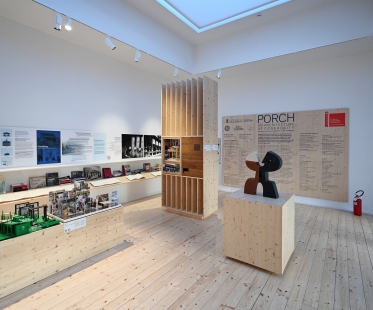
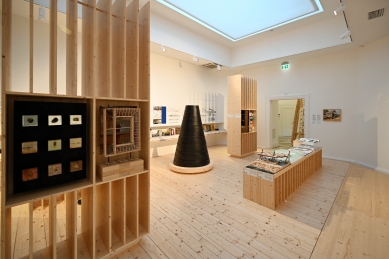
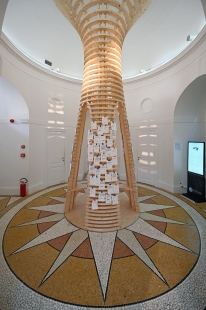
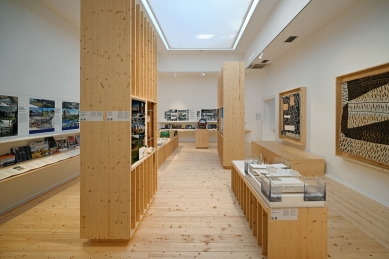
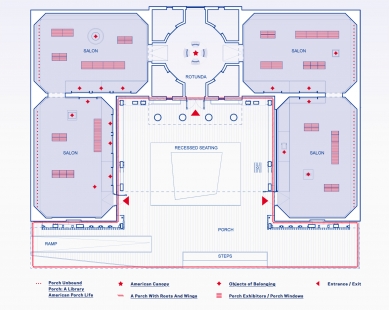
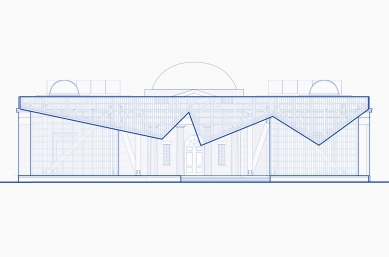
The exhibition titled “Veranda: Architecture of Generosity“, presented in the national pavilion of the United States at the Venice Giardini, focused on the architectural element of the “veranda” from a historical perspective and modern interpretations within the USA. This type of covered porch represents a social, environmental, performative, hospitable, generous, and democratic space. The American veranda is an overlooked architectural icon that persists across various scales, geographical areas, social communities, building methods, and historical periods. The temporary veranda designed in front of the American pavilion for the needs of the 19th International Architecture Biennale in Venice frames the exhibition of projects by prominent contemporary architectural figures from across the United States and highlights their specific environments. Throughout the biennale, the outdoor veranda served as a center for all activities – performances took place here and social exchanges occurred. It was a place for educational dialogues that engaged pavilion visitors, who were subsequently drawn into the exhibition spaces where the exhibition “Veranda: Architecture of Generosity“ focused on more than fifty examples of contemporary American architecture. These works addressed urgent issues facing American society, cultural events, and the environment from the specific perspective of the American veranda.
author's report
The English translation is powered by AI tool. Switch to Czech to view the original text source.
0 comments
add comment