
Apartment building with gallery

Collaboration:Vít Krušina
Address:
Tržiště 61/2,
Malá Strana,
Prague,
Czech Republic
Completion:2024
Companies
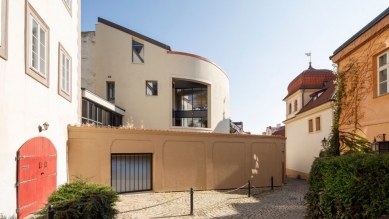
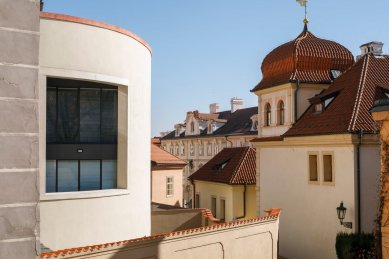
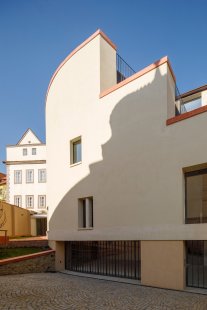
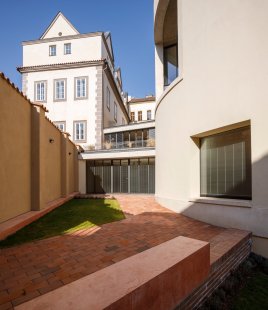
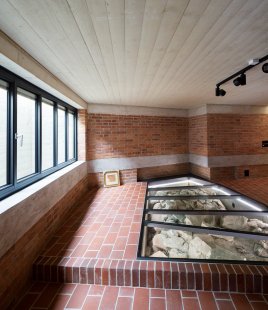
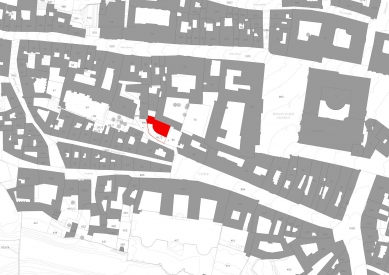
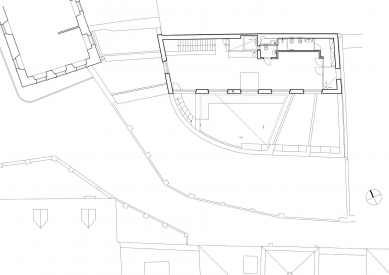
The new residential building with a gallery in the unique environment of Malá Strana was influenced by the significance of the historical context of the location. We sought contemporary expressive means while drawing on traditional forms of construction elements, using them in a modern interpretation. We aimed for a symbiosis of presence with historical values, striving to find new possibilities and develop contemporary applications of the parameters of the "natural world" of traditional architecture, which we greatly value in historical architecture and somewhat envy their welcoming impact and perception.
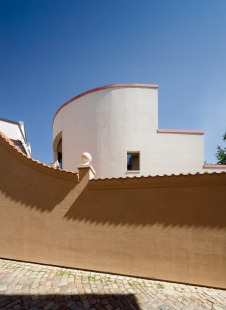
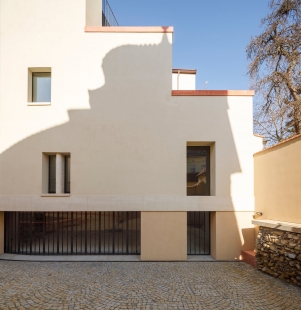
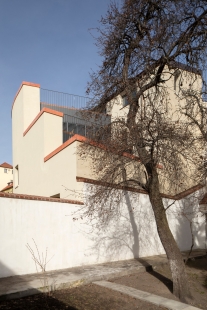
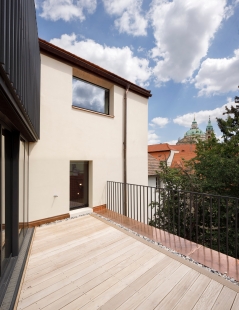
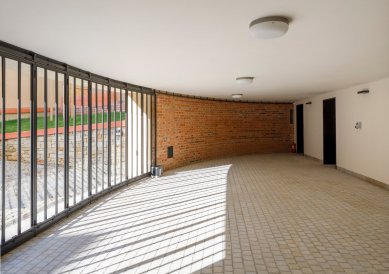
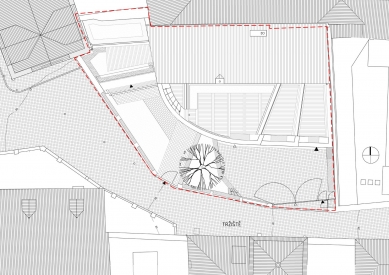
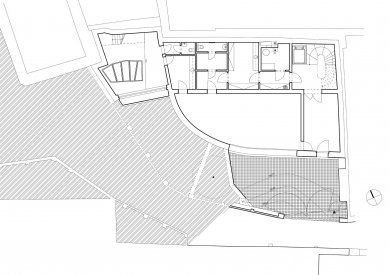
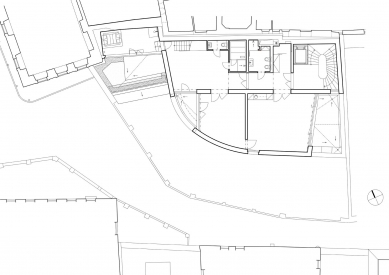
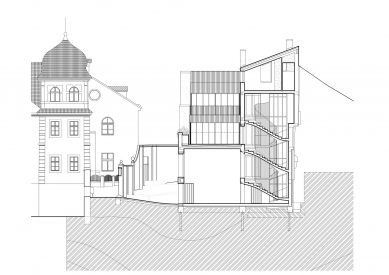
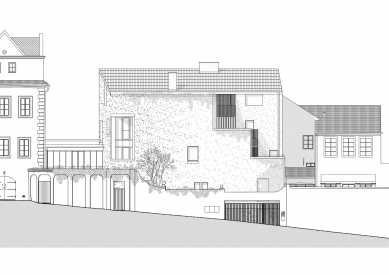
We sought a compromise between the relative closedness of historical buildings and the openness of contemporary architecture. This was applied, for example, by using large open glass walls—loggias visually hidden in the balcony or on the terraces and behind window shutters. We followed the contemporary parallel of the generosity of the façades of palace buildings in Malá Strana with the large scale of solid surfaces of walls and openings—double windows and large loggias. With the closedness of the street façade and the secrecy of the open spaces of the building, we considered not only aesthetic parameters but also the user characteristics of the building and its relationship to the surroundings. The open sections are placed in locations away from immediate contact with neighbors, yet with open views for the intimacy of the building and its surroundings. The context with the surrounding environment is also reflected in the detailed subdivision of the building volumes through residential terraces, responding to the scale of nearby buildings.
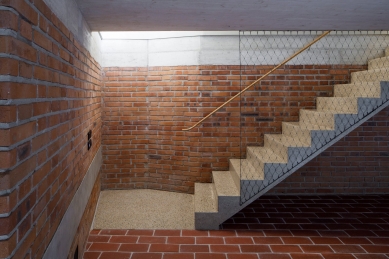
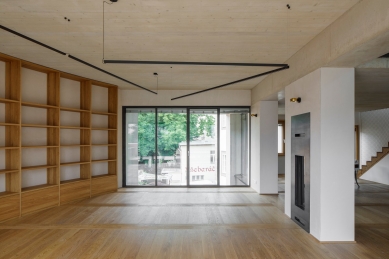
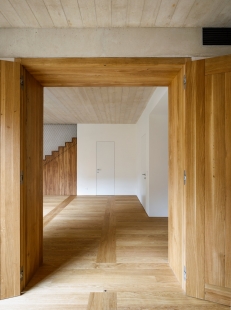
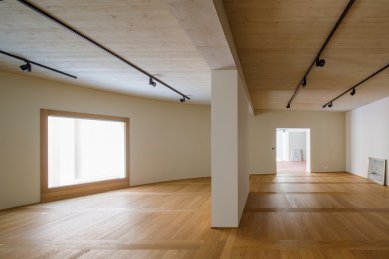
Great care was devoted to the material solution and design details of the building—ceilings made of exposed white concrete, elliptical stairs made of polished concrete, atypical railings made of stainless steel rods, and so on.
We sought a compromise between the relative closedness of historical buildings and the openness of contemporary architecture. This was applied, for example, by using large open glass walls—loggias visually hidden in the balcony or on the terraces and behind window shutters. We followed the contemporary parallel of the generosity of the façades of palace buildings in Malá Strana with the large scale of solid surfaces of walls and openings—double windows and large loggias. With the closedness of the street façade and the secrecy of the open spaces of the building, we considered not only aesthetic parameters but also the user characteristics of the building and its relationship to the surroundings. The open sections are placed in locations away from immediate contact with neighbors, yet with open views for the intimacy of the building and its surroundings. The context with the surrounding environment is also reflected in the detailed subdivision of the building volumes through residential terraces, responding to the scale of nearby buildings.
Great care was devoted to the material solution and design details of the building—ceilings made of exposed white concrete, elliptical stairs made of polished concrete, atypical railings made of stainless steel rods, and so on.
Ladislav Lábus, Architectural Studio
The English translation is powered by AI tool. Switch to Czech to view the original text source.











0 comments
add comment