Hořec Centre

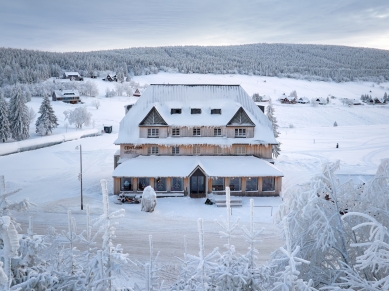
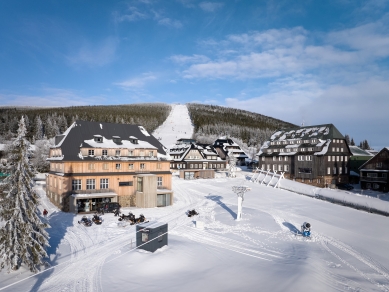
Malá Úpa is a mountain village scattered along the ridges of the Krkonoše Mountains, near the highest Czech peak, Sněžka. Known for its distinctive charm, the area ranks among the country's most popular mountain destinations year-round. The village comprises several parts, and one of its most significant – Pomezní Boudy in Horní Malá Úpa – is home to the new Hořec Centre. For several decades, numerous buildings in this area have been designed by the architectural studio ADR in collaboration with the local SKIMU ski resort team, united by a shared ambition to preserve the unique atmosphere and character of this mountain landscape.
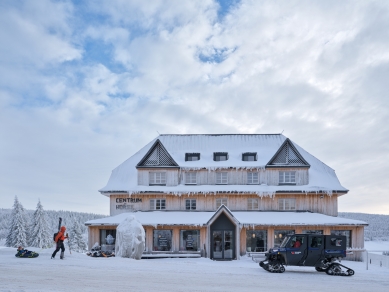
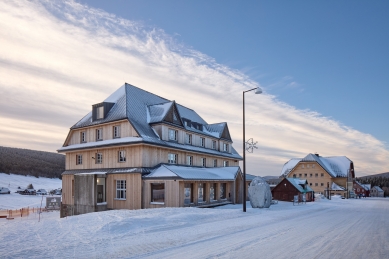
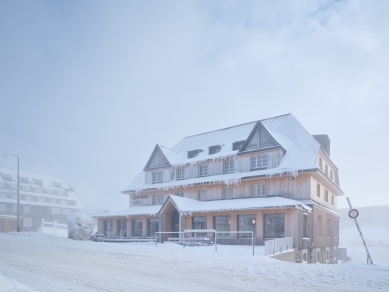
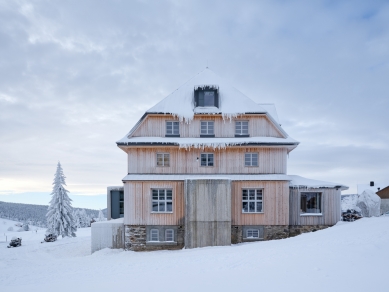
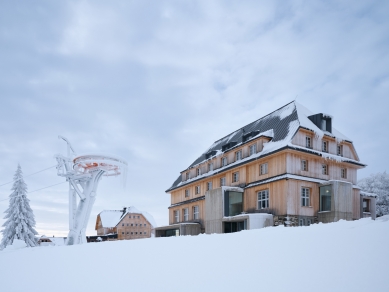
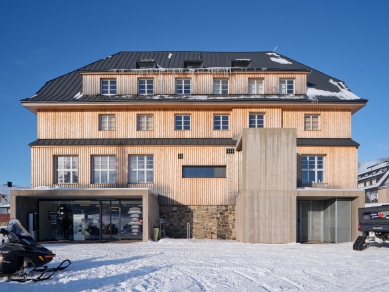
The former Hořec Hotel, built in 1928 at the very heart of Horní Malá Úpa, has undergone a major transformation. Once serving as tourist accommodation, it now gains a new architectural expression and purpose as a multifunctional community centre connected to the life of the village. During the project's preparation, discussions were held not only about the building's future use but also about whether to preserve it or replace it entirely. The final decision struck a careful balance between the old and the new - a reconstruction of the original structure complemented by new concrete extensions.
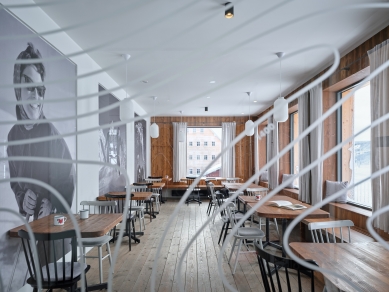
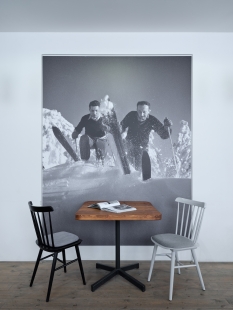
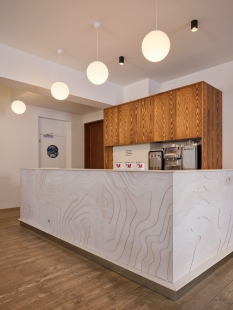
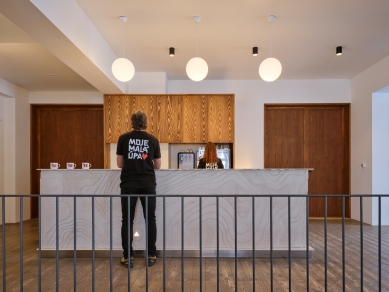
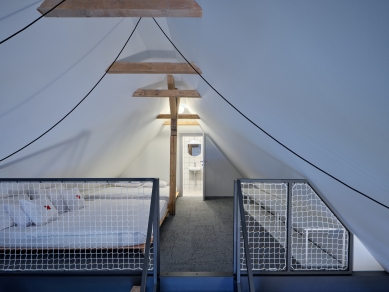
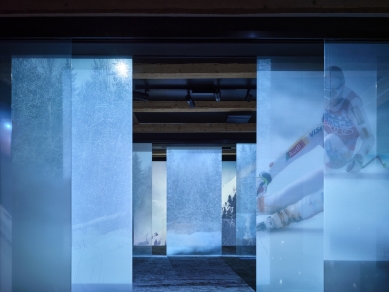
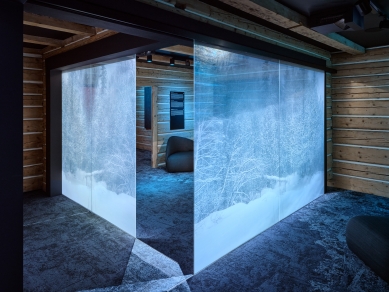
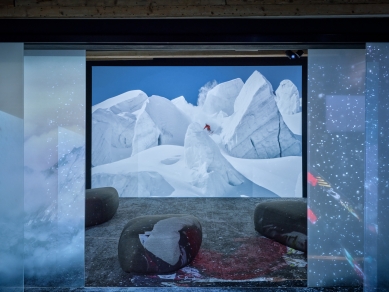
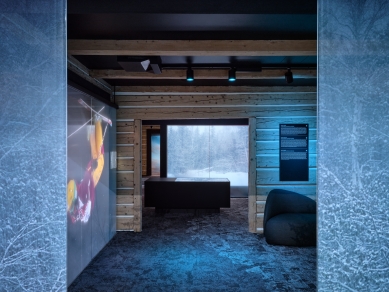
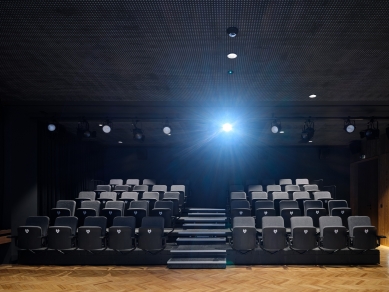
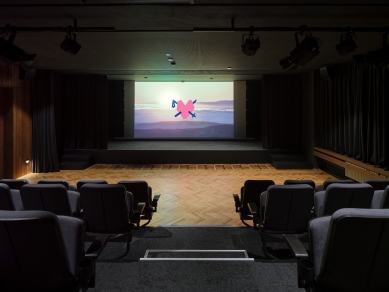
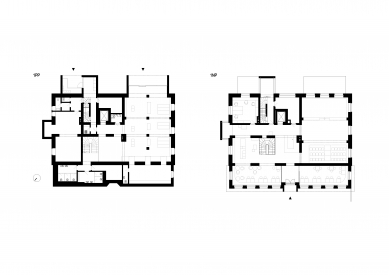
Adapting the historic structure to modern standards presented a number of technical challenges. The renovation included a new roof, a complete replacement of the façade, windows, and doors, and a fully reworked interior layout. The original floor plan, divided into small enclosed rooms, did not meet today's functional or spatial requirements. The architects, therefore, opened up all floors to create more fluid, generous interiors while retaining as much of the original timber structure as possible. The building now accommodates a range of public and visitor-oriented functions - a sports equipment rental, café, shop, cinema hall, exhibition spaces, and stylish apartments in the attic floor.
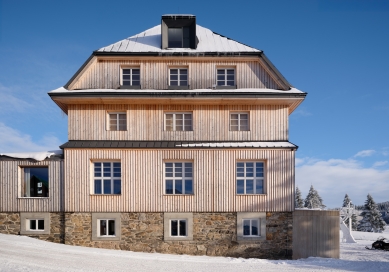
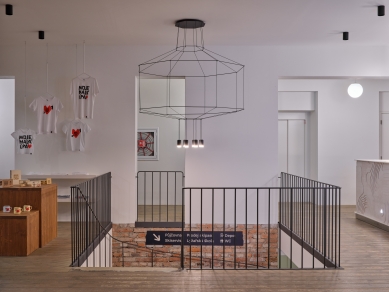
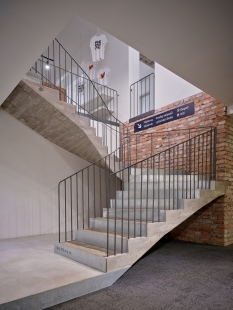
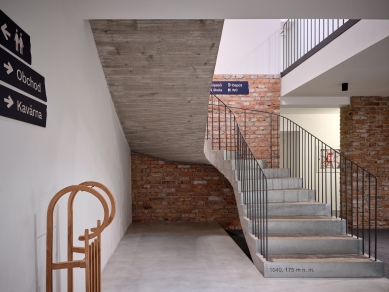
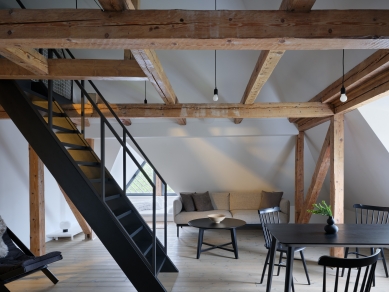
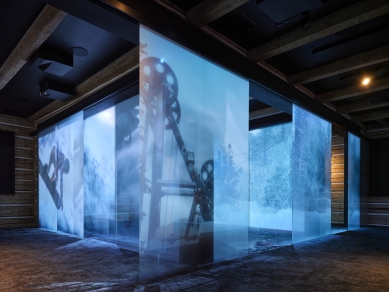
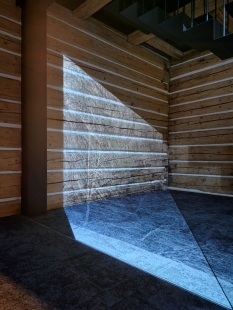
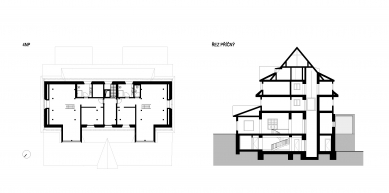
During the works, a remarkable discovery significantly influenced the project's direction. The architects found that the second and third floors were built from traditional log structures, hidden beneath later cladding and façade layers. Such extensive timber construction is rare in the Krkonoše region, and the team decided to preserve and reveal it as a defining feature of the design. This decision also inspired the creation of exhibition spaces on these levels, highlighting the craftsmanship of the original structure. The upper floors, which house apartments, similarly expose the historic timber roof trusses, while the lower, masonry levels integrate original brickwork with new concrete additions. As a result, the authentic volume of the original building is largely preserved and meaningfully complemented by contemporary interventions.
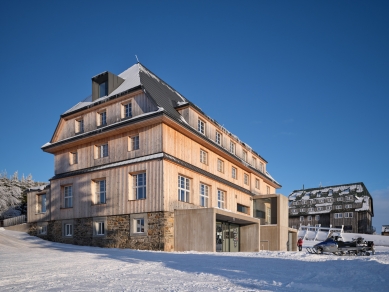
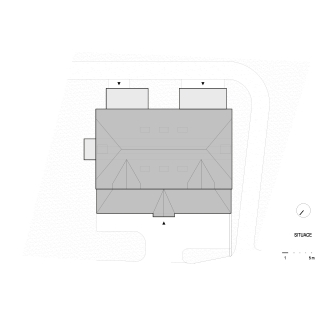
The building's location on a sloping site and the harsh mountain climate required careful detailing to protect entrances from sliding snow. This was ensured by a distinctive feature of the new design – concrete extensions that expand the building's functionality while providing safe access even during heavy snow conditions.
Material choices also reflect the dialogue between tradition and modernity. The untreated larch façade refers to the local vernacular and sources predominantly from regional timber suppliers, emphasizing a connection to the surrounding landscape. Over time, the wood will naturally weather and darken, allowing the building to blend seamlessly into its alpine environment – just as the original Hořec once did.
A new public area in front of the building - a paved space with seating – further strengthens the connection between the Hořec Centre and the village, encouraging social interaction and local life. In a place shaped largely by tourism, the revitalised Hořec serves above all as a gathering point for residents – a renewed heart of the community that reinforces Malá Úpa's mountain identity while offering it a lasting, contemporary form.
The former Hořec Hotel, built in 1928 at the very heart of Horní Malá Úpa, has undergone a major transformation. Once serving as tourist accommodation, it now gains a new architectural expression and purpose as a multifunctional community centre connected to the life of the village. During the project's preparation, discussions were held not only about the building's future use but also about whether to preserve it or replace it entirely. The final decision struck a careful balance between the old and the new - a reconstruction of the original structure complemented by new concrete extensions.
Adapting the historic structure to modern standards presented a number of technical challenges. The renovation included a new roof, a complete replacement of the façade, windows, and doors, and a fully reworked interior layout. The original floor plan, divided into small enclosed rooms, did not meet today's functional or spatial requirements. The architects, therefore, opened up all floors to create more fluid, generous interiors while retaining as much of the original timber structure as possible. The building now accommodates a range of public and visitor-oriented functions - a sports equipment rental, café, shop, cinema hall, exhibition spaces, and stylish apartments in the attic floor.
During the works, a remarkable discovery significantly influenced the project's direction. The architects found that the second and third floors were built from traditional log structures, hidden beneath later cladding and façade layers. Such extensive timber construction is rare in the Krkonoše region, and the team decided to preserve and reveal it as a defining feature of the design. This decision also inspired the creation of exhibition spaces on these levels, highlighting the craftsmanship of the original structure. The upper floors, which house apartments, similarly expose the historic timber roof trusses, while the lower, masonry levels integrate original brickwork with new concrete additions. As a result, the authentic volume of the original building is largely preserved and meaningfully complemented by contemporary interventions.
The building's location on a sloping site and the harsh mountain climate required careful detailing to protect entrances from sliding snow. This was ensured by a distinctive feature of the new design – concrete extensions that expand the building's functionality while providing safe access even during heavy snow conditions.
Material choices also reflect the dialogue between tradition and modernity. The untreated larch façade refers to the local vernacular and sources predominantly from regional timber suppliers, emphasizing a connection to the surrounding landscape. Over time, the wood will naturally weather and darken, allowing the building to blend seamlessly into its alpine environment – just as the original Hořec once did.
A new public area in front of the building - a paved space with seating – further strengthens the connection between the Hořec Centre and the village, encouraging social interaction and local life. In a place shaped largely by tourism, the revitalised Hořec serves above all as a gathering point for residents – a renewed heart of the community that reinforces Malá Úpa's mountain identity while offering it a lasting, contemporary form.








0 comments
add comment