
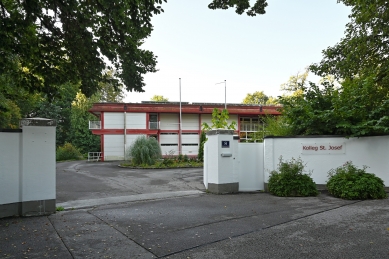
Kollege St. Josef

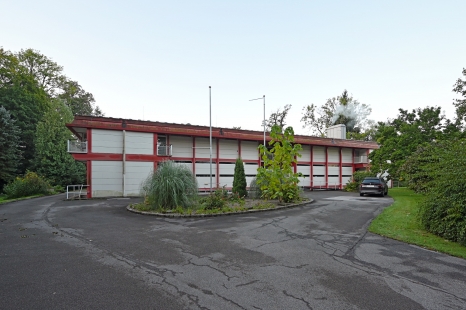
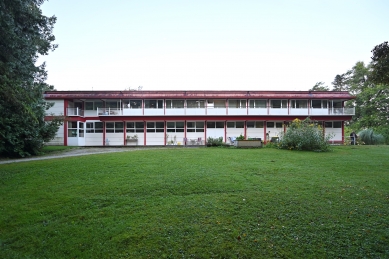
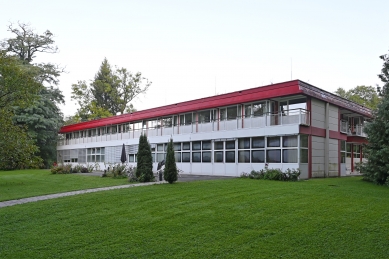
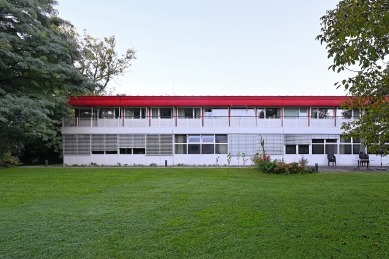
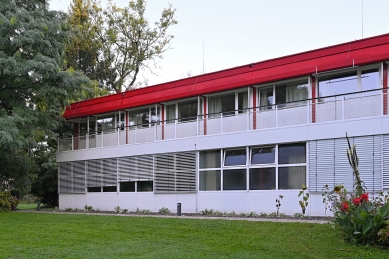
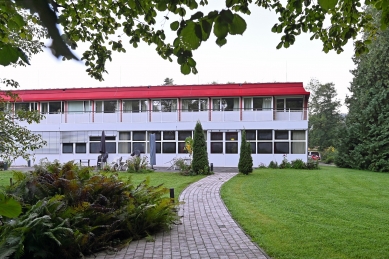
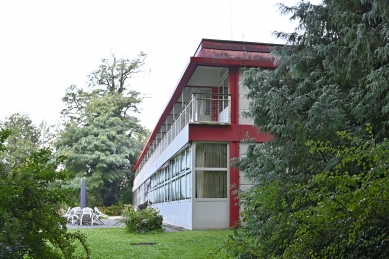
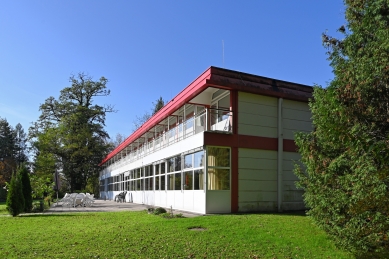
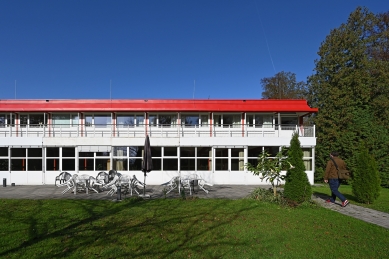
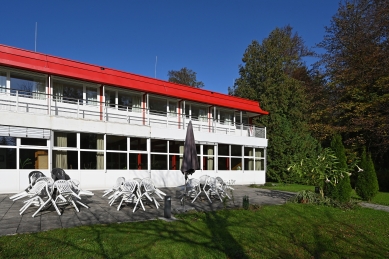
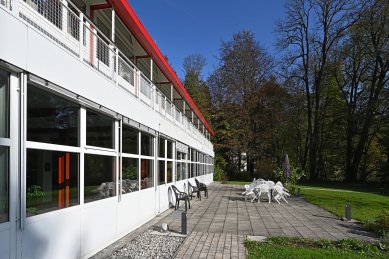
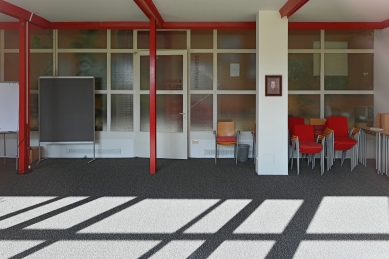
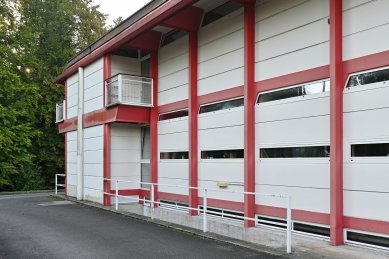
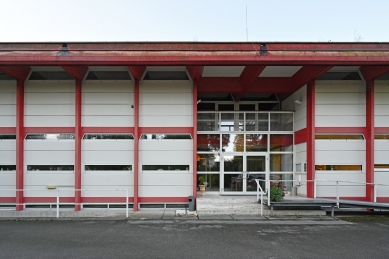
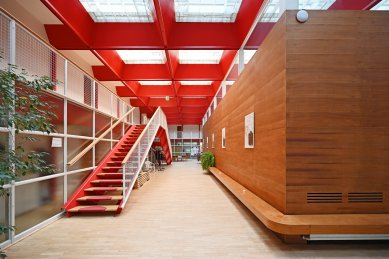
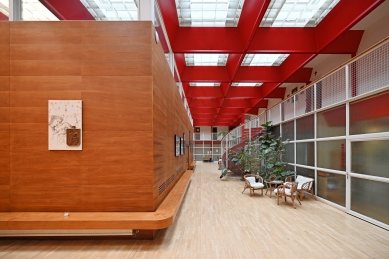
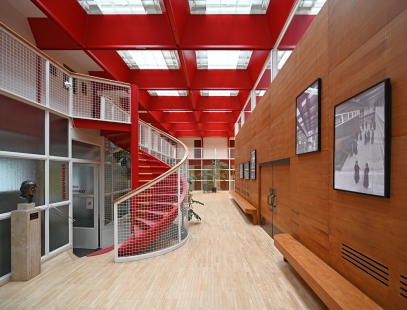
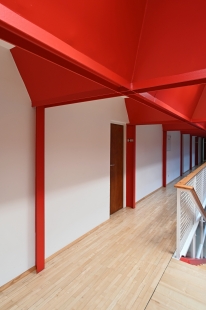
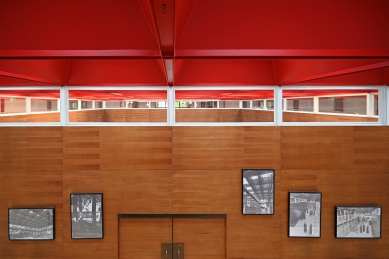
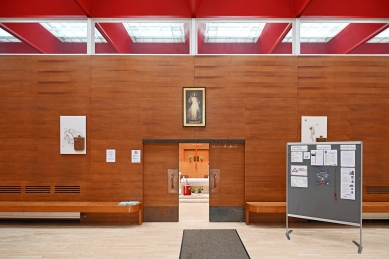
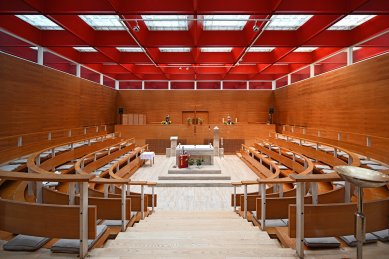
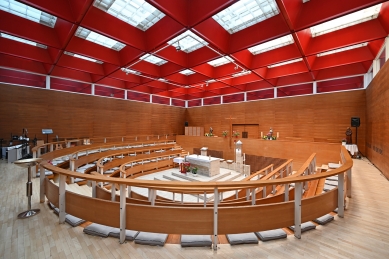
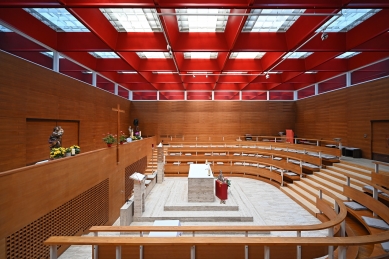
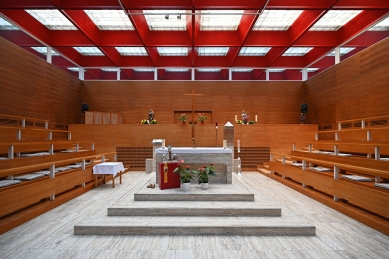
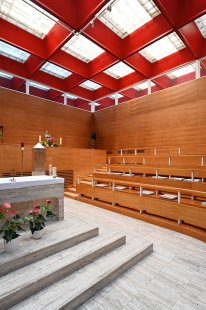
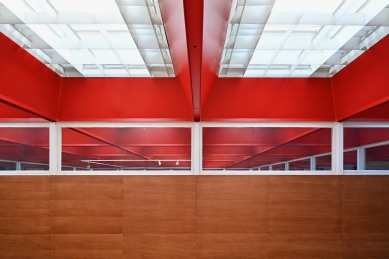
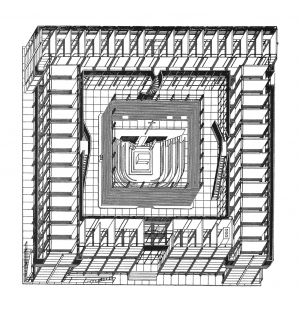
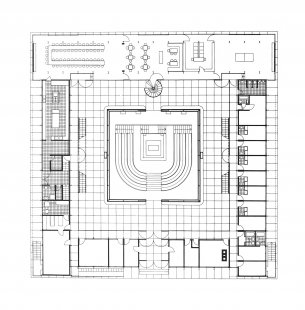
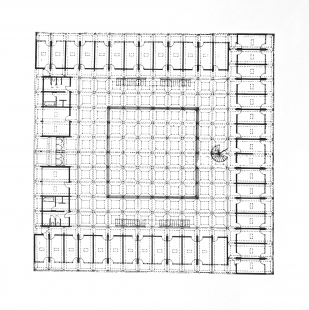
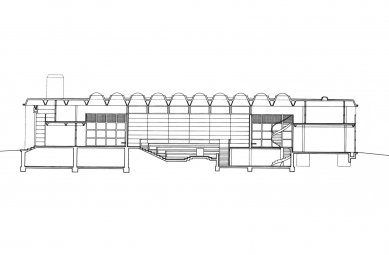
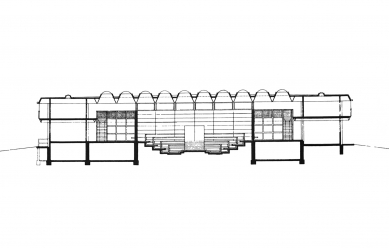
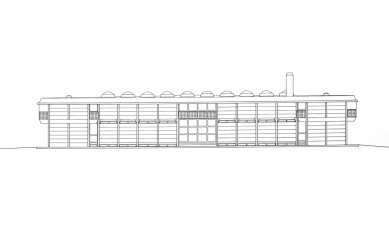
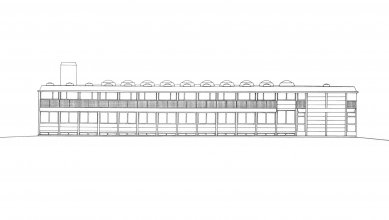
If architecture is a value that depends on cohesive cultural references, then this student dormitory is one of the most significant buildings of Austrian architecture since 1945. The building is spatially conceived as a "monastery" with a central chapel surrounded on all sides by a hall ("cross hall"), which holds simple and easily understandable symbolism for the community of theology students. The structural solution utilizing steel and its associated forms represents a departure from the industrial aesthetics of steel structures in the early 1960s. Primarily, the spatially defining and dominant V-shaped steel roof beams create an element that traverses all internal zones and also defines the external appearance of the building. This relatively free handling of steel construction would be difficult to imagine without the traditional context and awareness in which the association arbeitsgruppe 4 operated at that time. Regarding the balance of the structure, color, spatial concept, the relationship between the interior and exterior, but also proportions, readability of individual parts (for instance, the red color of the structure, which users later symbolically associated with the "Order of the Precious Blood"), in short, concerning the entire complexity of the design, a direct relationship can be established without any interruption to the architectural doctrine of Otto Wagner.
Friedrich Achleitner. Österreichische Architektur im 20. Jahrhundert, Band 1, Salzburg: Residenz Verlag, 1980, p.274
The English translation is powered by AI tool. Switch to Czech to view the original text source.





0 comments
add comment