
Apartment of the Lorka couple
Michal Doležel
Author: Franz Pawlu, 1914-15
Adaptation: Norbert Troller, 1927-29
Address: Úvoz 63, Brno
Adaptation: Norbert Troller, 1927-29
Address: Úvoz 63, Brno
One of the most active builders in Brno at the turn of the 19th and 20th centuries, Franz Pawlu, completed an apartment building in the early years of World War I on what was then Am Tivoli Square. With this building, he not only completed the urban composition of the entire square but also his own life’s work. After the war, he was likely no longer professionally active, and the management of the company was gradually taken over by one of his sons.
The story of Pawlu himself can be as fascinating as it is inspirational even today. He was born in 1854 in the small village of Bořitov as the son of a master carpenter. After arriving in Brno in the 1880s, he initially worked as a manual laborer on construction sites. Despite his modest beginnings, he managed to study at the Brno construction technical school and subsequently went to Vienna, where he became acquainted with the latest architectural trends, especially the work of Otto Wagner. Upon his return to Brno, he established his own construction company and realized several dozen predominantly rental houses between the 1890s and the early 20th century. His key work can be considered that group of apartment buildings at today’s Konečné Square (formerly Am Tivoli), which he not only built but also owned and where he lived with his family. He and his wife Marie had a total of five children.
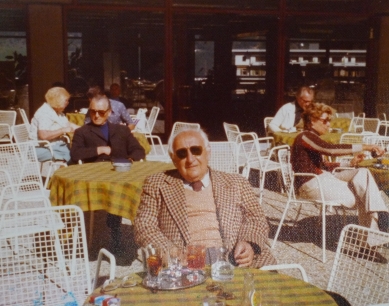
His youngest daughter Marie met ten years older law clerk Jaroslav Lorek at the age of seventeen, who lived in the same building. Despite already being in a relationship, he decided to marry Marie Pawlu. Shortly after their wedding, Marie received from her father as a dowry the very rental house from 1914-1915.
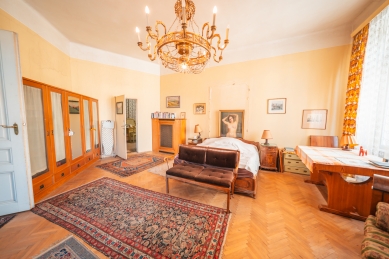
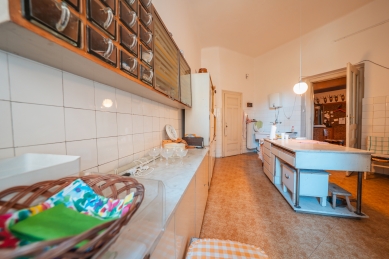
On the first floor of the house, there was from the beginning a generous piano nobile measuring approximately 550 m², intended for the owner. Its size significantly exceeded the usual standard of Brno apartment houses. Not long after the wedding, Marie and Jaroslav welcomed their first child, a daughter Miroslava, in 1919, and a son Jaroslav in 1923. The apartment consisted of one kitchen with staff facilities and approximately ten salons and bedrooms intended for the Lorek couple and their guests.
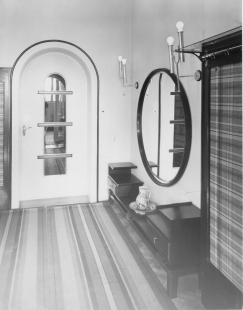
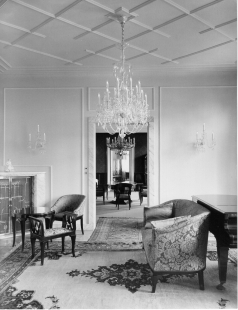
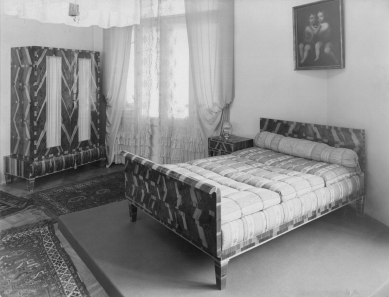
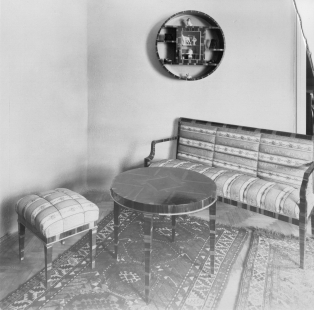
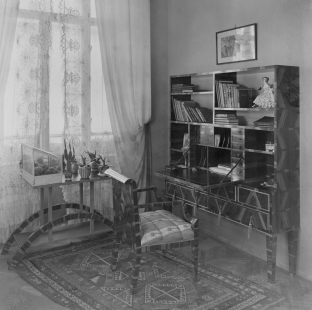
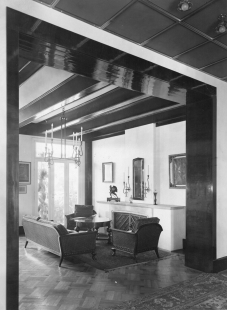
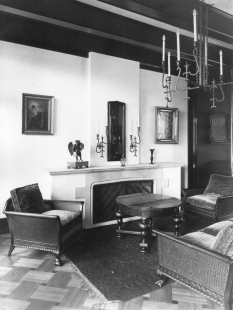
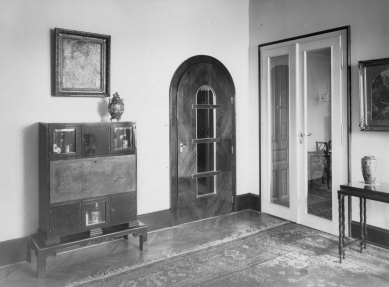
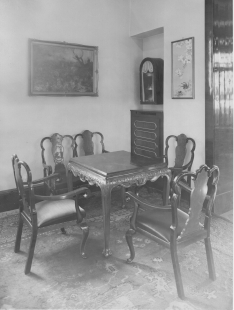
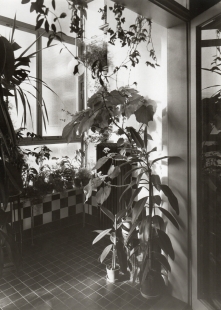
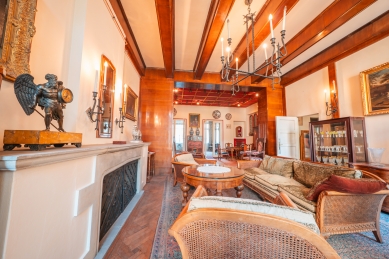
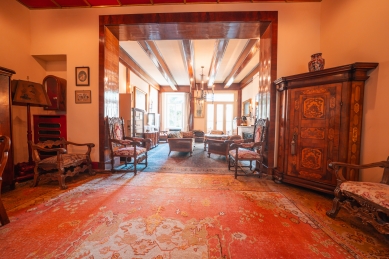
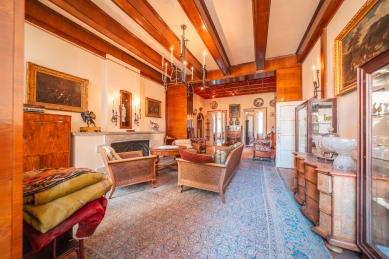
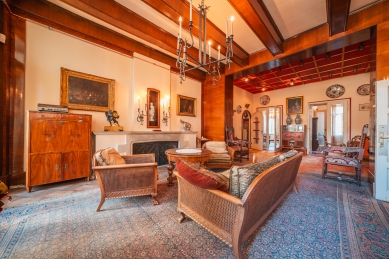
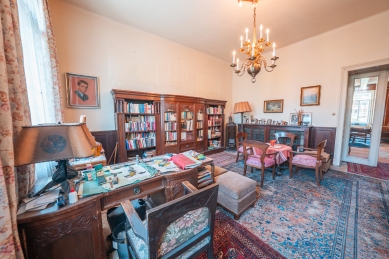
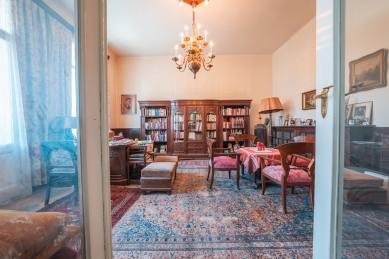
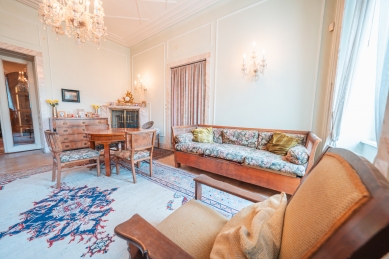
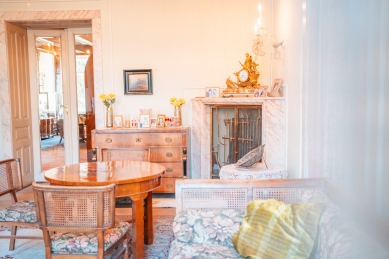
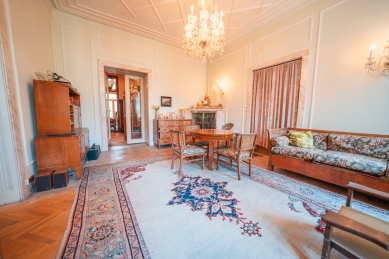
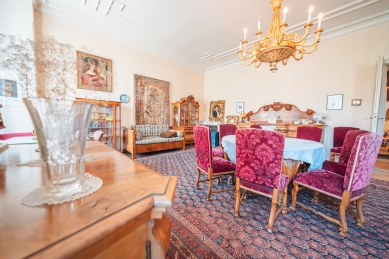
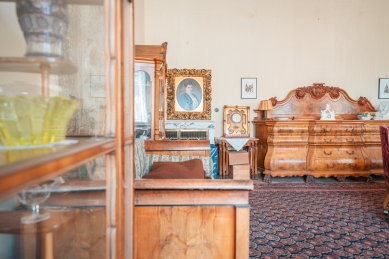
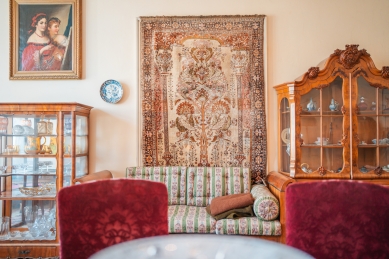
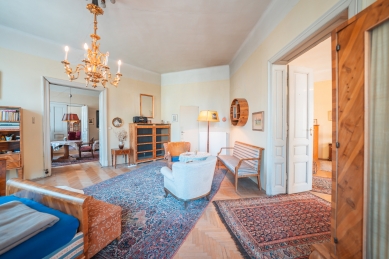
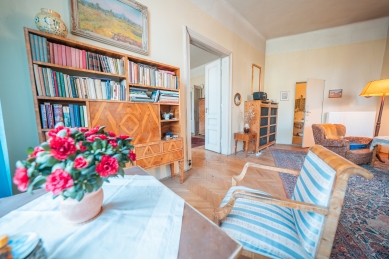
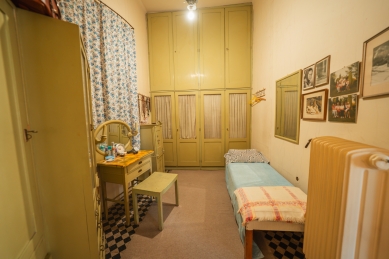
About ten years after the wedding, the Loreks decided to modernize their apartment, entrusting this adaptation to the architect of Jewish origin Norbert Troller, who opened a studio in Brno in 1927. Troller adapted the originally Art Nouveau interior to meet the needs of a young bourgeois family in the style of late Art Deco and also designed original pieces of furniture, including a complete bedroom for daughter Miroslava. His intervention is most evident in the main living area, optically divided into two parts, with furniture featuring oriental motifs and a winter garden as the natural culmination of the whole. The apartment also included a library, a gentlemen’s room, a music salon, and a dining room. Some elements of the furniture in the Lorek's apartment are very similar to those Troller used in the interior of Felix Bloch's villa on Hlinky Street number 92 from 1925-1926.
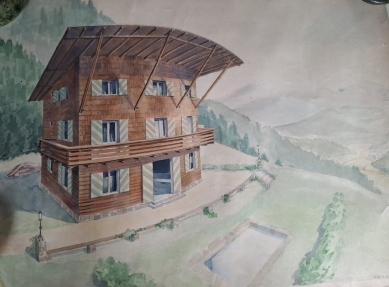
A few years later, Troller also designed a weekend house for the Loreks in Čeladná at the foothills of the Beskydy, for which he likely created specific furnishings as well.
After World War II, the Pawlu and Lorek families entered a challenging period. Part of the Pawlu family, identifying as of German nationality, was expelled from Czechoslovakia. The Loreks, as Czechoslovak citizens, were able to stay in Brno, but after 1948, they began to lose all their property, including the weekend cottage in Čeladná. From there, they managed to take at least some of the furniture and relocate it to their Brno apartment. Although the Loreks lost the entire apartment building on Konečné Square, Maria Lorek, then already a widow, managed to negotiate that she could continue to use the apartment with her children and their families. The original area of the apartment was reduced by approximately 150 m², which was transformed into one new residential unit. The original owners thus retained a segment of approximately 400 m², which has survived to this day.
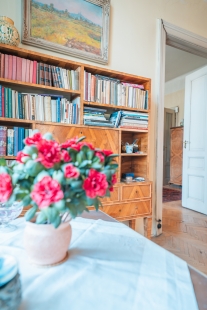
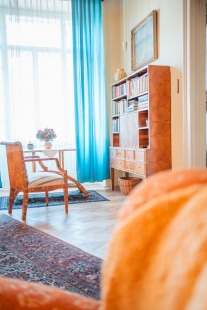
As a result of the complex national and political history of Brno, where two significant ethnic groups—Jewish and German—virtually disappeared during the 20th century and where, among other things, there was an irreversible discontinuity in ownership relations, this apartment represents a completely unique space. From its inception until today, the family of the original owners has lived in it. Because of this, the layout and atmosphere of the apartment have practically remained unchanged, and not only has its unusually large area been preserved, but also its authentic furnishings.
Michal Doležel
Thanks
Naďa Trenčanská
Helena Škúci Lorek
The English translation is powered by AI tool. Switch to Czech to view the original text source.


0 comments
add comment