
The metropolitan plan of Prague should be approved by the representatives in May
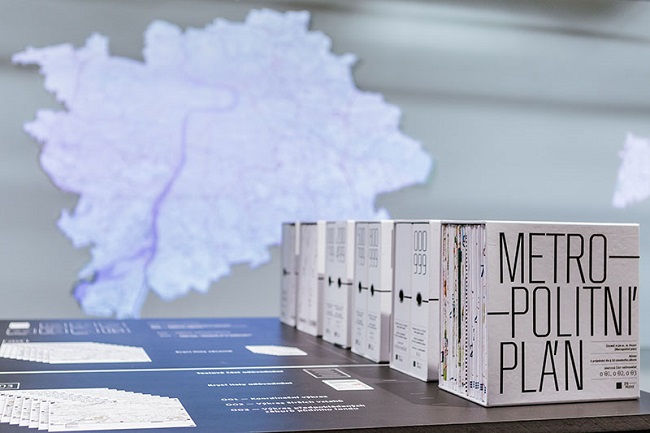 |
Prague - Prague representatives should vote on the new Prague zoning plan at their meeting in May, the city hall has already processed a large part of the suggestions received in the latest round of consultations. Petr Hlaváček (STAN), the mayor's assistant for urban development, told ČTK. The so-called Metropolitan Plan will replace the current zoning document from 1999 and, according to city leadership, aims to improve and simplify the planning of the metropolis's development. However, it also has its critics.
The zoning plan is a key document that determines where construction is allowed in the city and to what extent. The current Prague plan has been in effect since 1999 and, without a change in the law, can remain in effect until the end of 2028 at the latest. The preparation of the Metropolitan Plan was approved by the assembly in 2013, and five years later, the city’s Institute of Planning and Development (IPR) published its draft. This was followed by three rounds of consultations, the first in 2018, the second in 2022, and the third last year.
According to Hlaváček, in the current final round, about 10,000 comments arrived, of which approximately a third were positive. He claims that a large part of the remainder has been processed. In 2018, there were about 45,000 comments, and in 2022 about 18,000. According to the deputy, the processing of comments has now been significantly accelerated by the fact that most suggestions arrived digitally through the Prague Citizen Portal.
The new plan is expected to streamline urban planning and accelerate construction, according to statements from the city’s Institute of Planning and Development (IPR). Compared to the existing document, it includes height regulation or division into specified locations and their protection, while also accounting for the creation of new neighborhoods on current brownfields. According to IPR information, the plan provides space for the construction of 350,000 apartments.
The document's form is criticized, for example, by the civic association Arnika, which claims it was not prepared transparently enough and has significant shortcomings in the protection of greenery and ensuring necessary public amenities.
The plan is also criticized by the author of its original proposal, architect Roman Koucký. He states that during the discussion, it lost the flexibility that was meant to be its main advantage due to the incorporation of comments, particularly from state organizations and ministries. According to Hlaváček, however, it is a complex document in which many interests must be balanced, and it is natural that it changed based on the discussions.
The English translation is powered by AI tool. Switch to Czech to view the original text source.
0 comments
add comment
Related articles
0
10.02.2026 | The metropolitan plan no longer corresponds to the original proposal, says its author Koucký
0
20.10.2025 | Praha has published an updated draft of the new zoning plan
0
25.06.2025 | The Prague Metropolitan Plan should be completed in June next year
0
27.06.2023 | Prague wants to approve the delayed new zoning plan in this electoral term
0
09.05.2022 | People can familiarize themselves with the Metropolitan Plan proposal at Jungmann Square
0
07.02.2022 | Prague residents will be able to get acquainted with the proposal of the Metropolitan Plan starting in April
0
15.01.2021 | Prague will present a proposal for the Metropolitan Plan to the public in autumn
5
16.04.2018 | Prague has published a new zoning plan, comments can be submitted from June
2
13.10.2016 | IPR started looking for the head of the metropolitan plan group
0
13.06.2016 | IPR is looking for a new director for the department responsible for urban planning
0
07.06.2016 | IPR submitted the metropolitan plan to Prague, which will now be reviewed by officials
0
01.12.2015 | The Institute of Planning and Development submitted a draft of the metropolitan plan