
Soil and Straw: INTRO releases a new issue

01.04.2026 22:10
 |
In the nineteenth issue of INTRA, which was published nearly four years ago, it was mentioned in an interview with representatives of the RCNKSK studio that "in the Czech Republic, there is a prevailing opinion that clay, straw, or hemp are for 'ethnical people' and cannot be built from." However, INTRO in 2026 will present constructions made of clay and straw of all sizes, which have emerged either in the very heart of Paris or take the form of, for example, a twelve-story residential building or even a logistics center. They are proof that these natural materials are slowly but surely shedding the label of "experimental building materials." The new, twenty-ninth edition with the subtitle CLAY + STRAW is already available for purchase at the official e-shop.
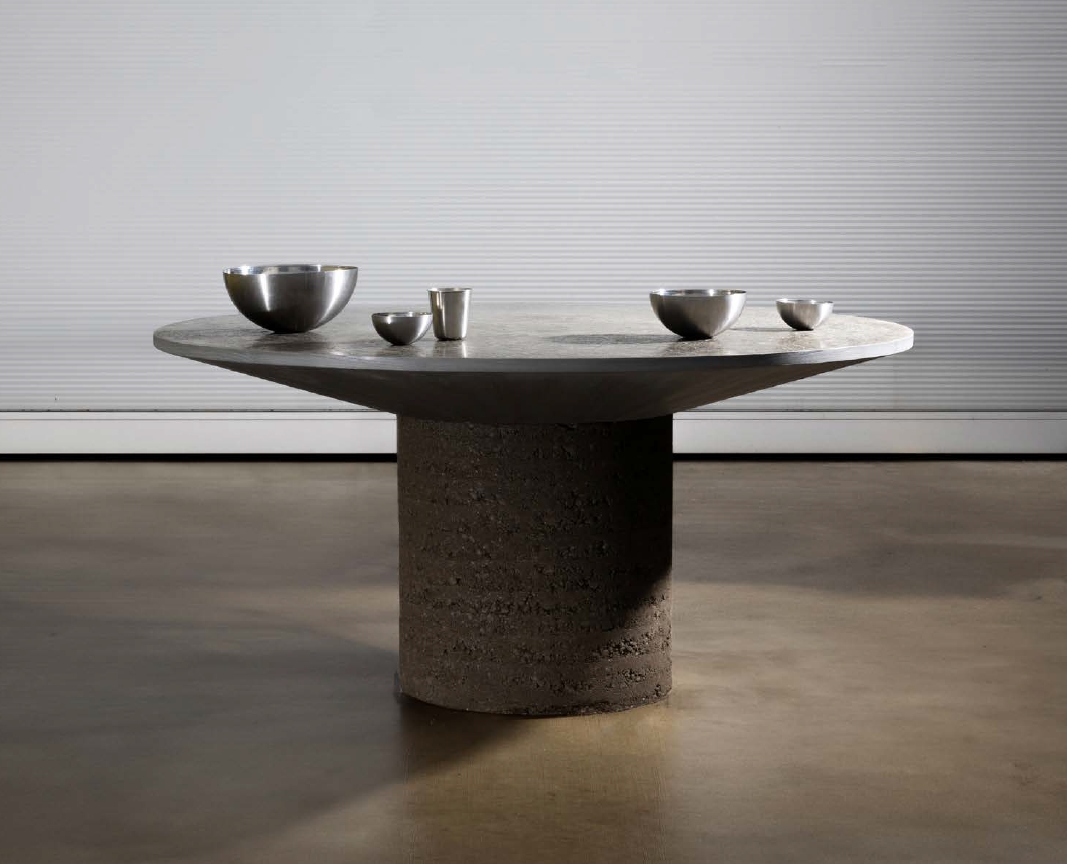
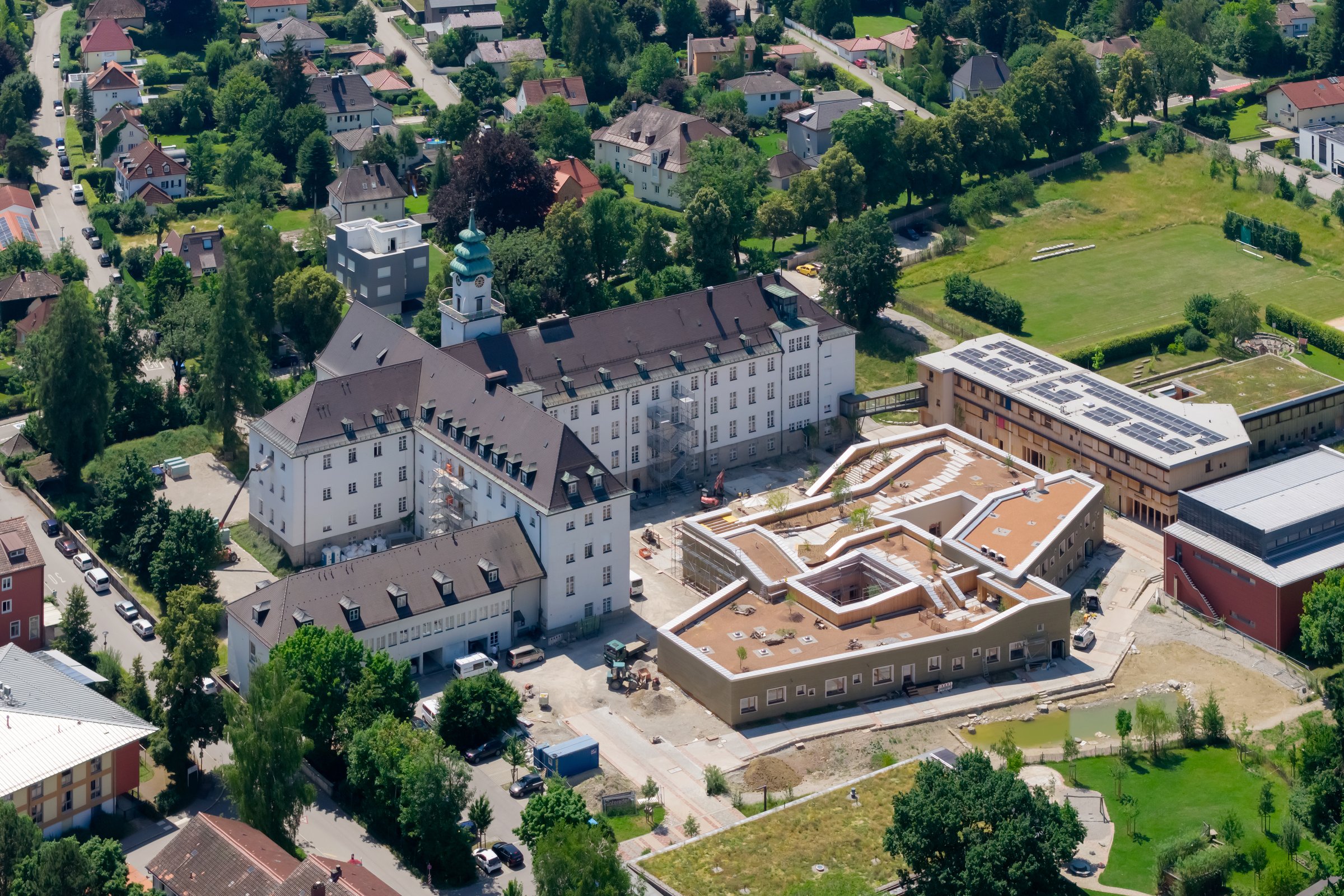
According to Martin Žižka, the curator of this issue, clay and straw are surprisingly close in many respects - for example, in the quality of the indoor environment they create or in the fact that they practically leave no carbon footprint. Currently, they are used not only for family houses but also for schools, apartment buildings, administrative buildings, and even logistics centers. All of these typologies are waiting for you in the March INTRA, which also features gems such as the campus of the Roman Catholic Archdiocese or the realization of the smallest scale in the form of a table made of rammed clay. The clay mixture used by the design studio JanskyDundera and the interdisciplinary creative platform aroundclay for its production is primarily composed of excavated soil from the construction of the Prague metro, which is an approach that the creators have shown how building or manufacturing materials can be sustainably sourced.
 |
This issue is also addressed by Stéphane Kirkland, a representative of Terrio, a company specializing in the prefabrication of clay wall elements. In the interview, he points out that the potential of clay is, unfortunately, still being squandered today, at least in France. "The use of clay is still almost exclusively limited to participatory buildings or highly experimental prototype projects. Typically, it involves soil excavated directly on the construction site, which is tested and processed in a way that is simply not compatible with current construction and business needs."
And precisely about how clay and straw can be moved from the realm of experimentation to a scale suitable for industrial realization, Martin Žižka talked with Jakob Stromann-Andersen, the director of innovation and sustainability at the Danish studio Henning Larsen, whose portfolio includes the realization of a school in Feldballe made of wood and straw or the project of a logistics center for the company Bestseller in the Netherlands, which is set to become the largest wooden structure of its kind in Europe.
 |
You can also look forward to an interview with Emmanuelle Déchelette, an architect from the studio Déchelette Architecture, who believes that a return to natural systems is not a regression but a radical reassessment of current practices, and describes how to build with clay in the very center of Paris. INTRO will showcase clay houses from her studio, such as Casa Franca and Quatre Cheminées.
More about clay, straw, ramming technology, bound carbon, or sick building syndrome can be found on the 29th regular issue of INTRA.
 |
| 6_archiweb_KURATOR-INTRO 29_6 |
The English translation is powered by AI tool. Switch to Czech to view the original text source.
0 comments
add comment