 |


Not only in Christian mythology does clay represent the matter from which humans were created; it is a symbol of birth, life. People then began to use this material to build their homes, providing them with shelter, safety, and the "warmth of home." In architecture and construction, it is an "original," natural material, and thus can be a symbol of sustainability and an ecological approach. And that is precisely what the October INTRO is about.
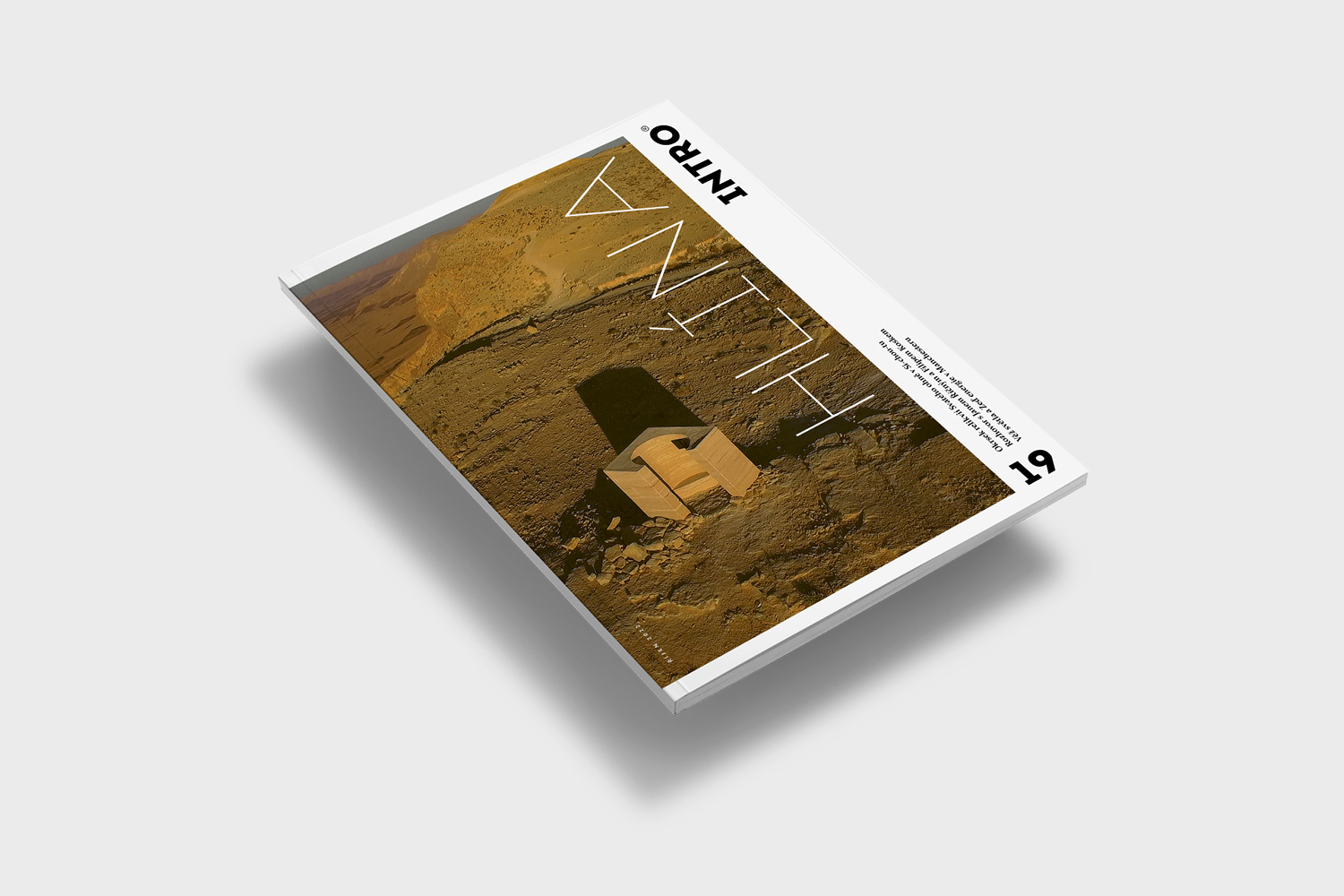
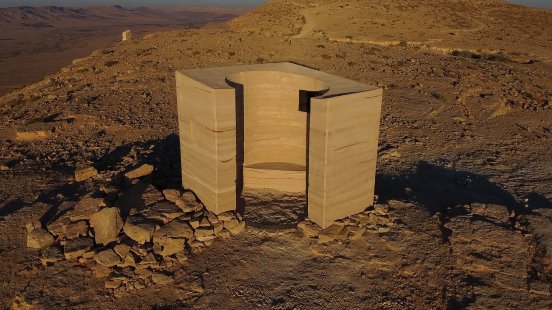
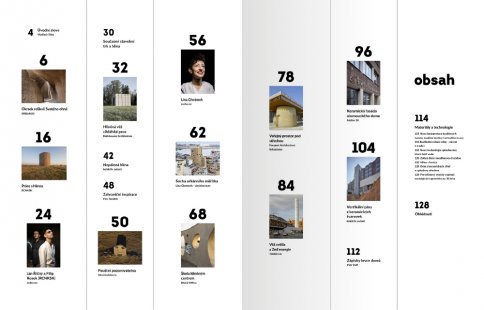
Anything can be built from clay. Unfortunately, "there is no big company that lobbies for clay. Who would get rich off it when there is plenty everywhere and when clients can extract and process it themselves at the construction site?" says Filip Kosek, who together with his colleague Jan Říčný from the RCNKSK studio used clay for an underground extension of the Sedlec ossuary and the floor of a chapel in Nesvačilka. You can read about how the architects worked with rammed clay, what they had to learn, and what challenges they had to face in the pages of the nineteenth issue of the INTRO magazine, on the cover of which the clay shelter Landroom literally fought its way to prominence. This minimalist structure was built based on a design by Gitai Architects in the Negev Desert in southern Israel, where it provides shelter from the sun during the day and can be used for stargazing at night.
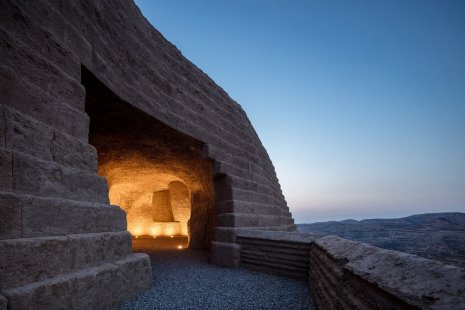
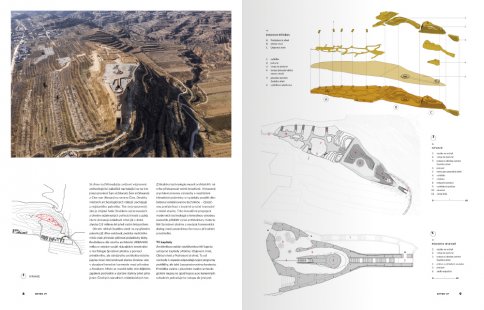
Equally inspiring is a spiritual space located at an ancient archaeological site in China, revitalized by architects from the URBANUS collective. "The precinct is primarily built from sustainable material. It is made from residual stone dust, stone slag, and construction waste," explains chief architect Hui Wang.
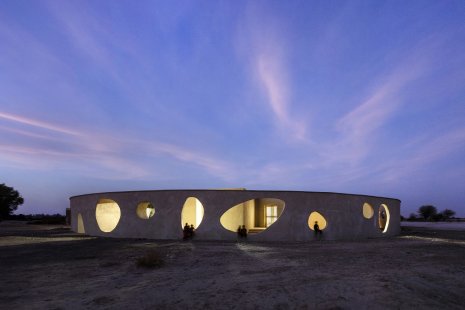
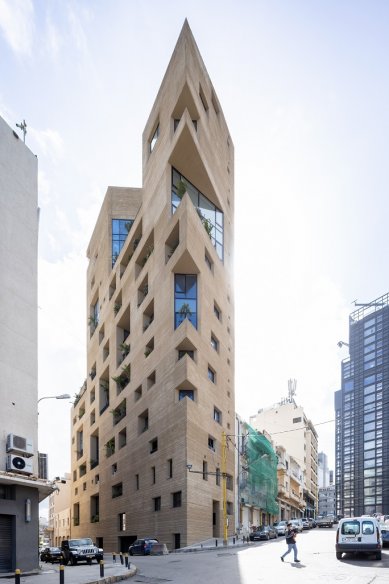
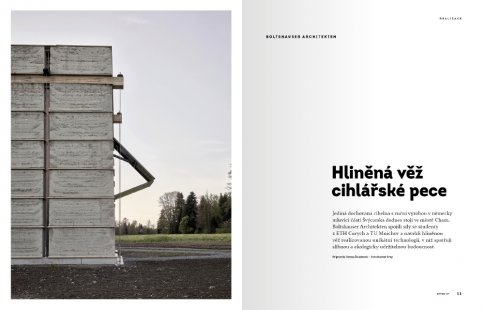
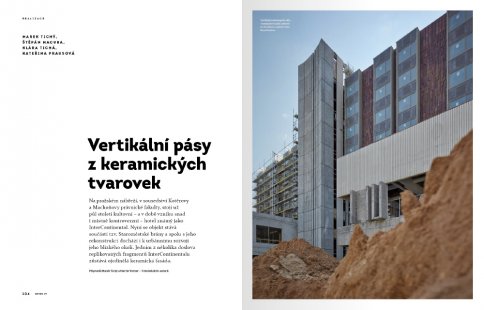
Pages 56 to 67 are dedicated to the work of French-Lebanese architect Lina Ghotmeh, whose project Stone Garden withstood an explosion that occurred two years ago in the center of Beirut. "We must create architecture that is naturally connected to the place and climate in which it is built. Architecture must not be an object that later creates its own existential space in which it will dwell," says the architect in an interview prepared by editor Tereza Šváchová. She also takes readers to Switzerland, where she presents the clay tower of a brick kiln (Boltshauser Architekten), to an elementary school in Iran (DAAZ Office), under the roof of a public space in Brittany, France (Fouquet Architecture Urbanisme), and to Manchester, England, where studio Tonkin Liu designed an unusual shape for an energy center inspired by a mollusk shell. In the Czech Republic, INTRO will give an overview of the reconstruction of the Czech Radio building in Olomouc (Atelier 38), the renovation and extension of the former InterContinental hotel, which included the challenging replication of a ceramic facade, and, of course, it will feature regular columns and a touch of poetry…