
Hidden frames as part of contemporary architecture

Publisher
Tisková zpráva
01.07.2026 11:55
Tisková zpráva
01.07.2026 11:55
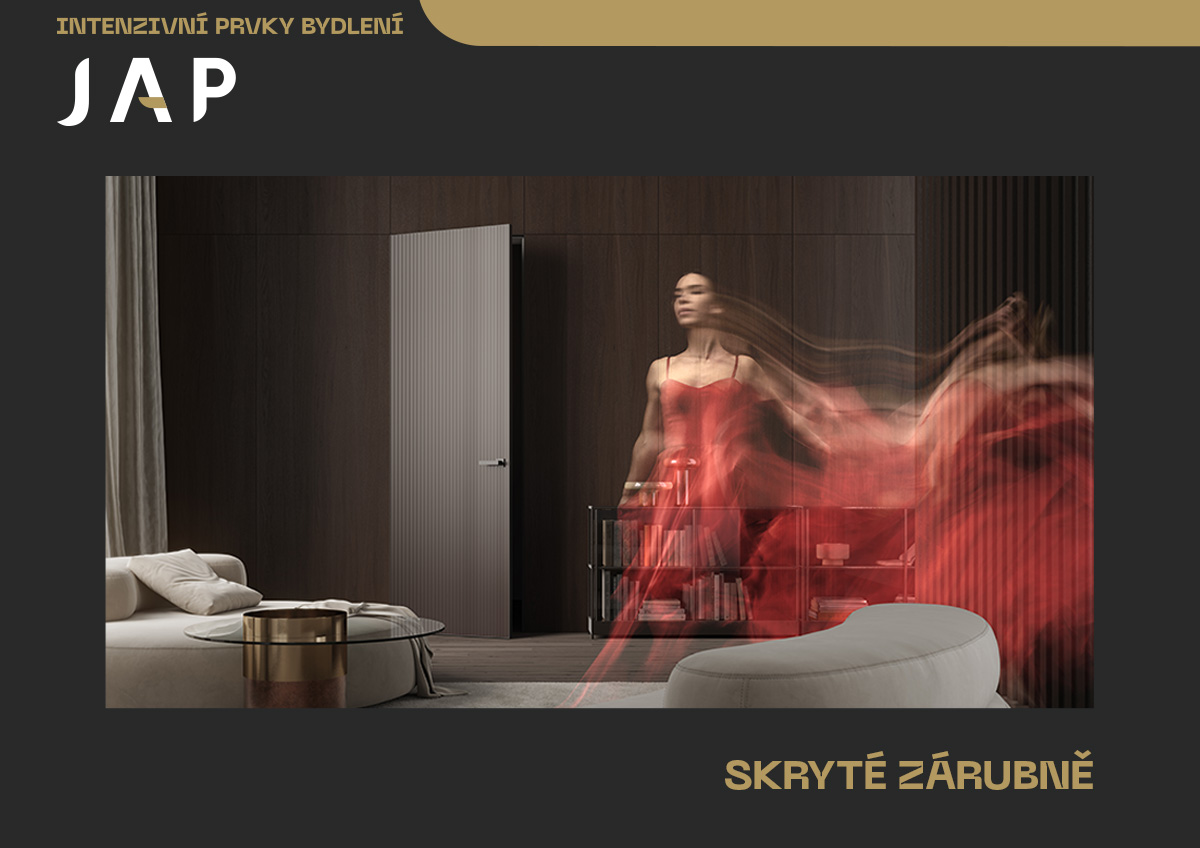 |
Minimalism in interiors today is not just about clean lines, but primarily about details that allow the space itself to stand out. Hidden frames enable doors to blend in with the wall, creating an architecturally clean whole without distracting elements. The Czech manufacturer JAP FUTURE has been developing the segment of hidden frames for a long time and offers systematic solutions for both residential and commercial projects, including atypical implementations and high doors up to the ceiling. The result is intense living elements that merge technical precision, functionality, and pure aesthetics.
Contemporary architecture increasingly works with the visual purity of space. This is why hidden frames have become one of the details that fundamentally influence the final character of the interior. Thanks to them, doors do not appear as separate elements, but naturally blend with the wall. The result is a harmonious space without distracting transitions, allowing both architecture and used materials to shine.
Hidden frames by JAP FUTURE are designed for flush doors and reverse doors and can be used for brick and drywall partitions. Architects particularly appreciate the possibility of atypical dimensions, minimalist connection to the wall, and compatibility with various material solutions of the interior. The systems allow for the realization of high doors up to the ceiling, supporting the verticality of the space and giving the interior a more pronounced architectural character.
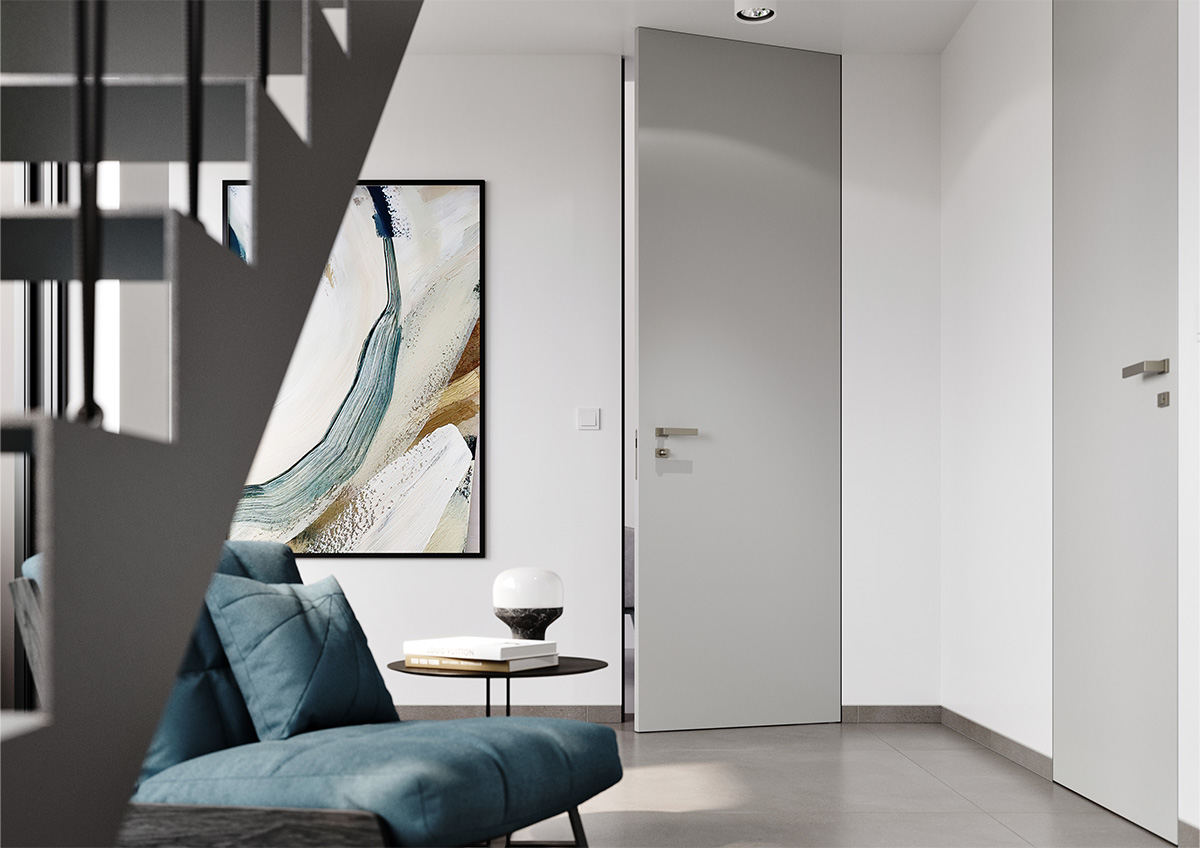 |
| CLEVER doors in hidden frame AKTIVE |
An important part of the portfolio is the AKTIVE III system, which brings a clean frame-less solution for modern interiors. The construction is designed with an emphasis on strength, precision, and long-term stability. Simplicity of assembly and the follow-up of other trades during implementation also play a significant role. Thanks to the sophisticated technical solution, the final surfaces can be detailed without compromises.
The advantage of hidden frames is also their flexibility when working with materials and the follow-up of other interior elements. They can be painted according to RAL or NCS color samples and naturally connect to doors, cladding systems, and built-in furniture. Thus, the architect gains the opportunity to create a visually unified interior without distracting details and unnecessary transitions.
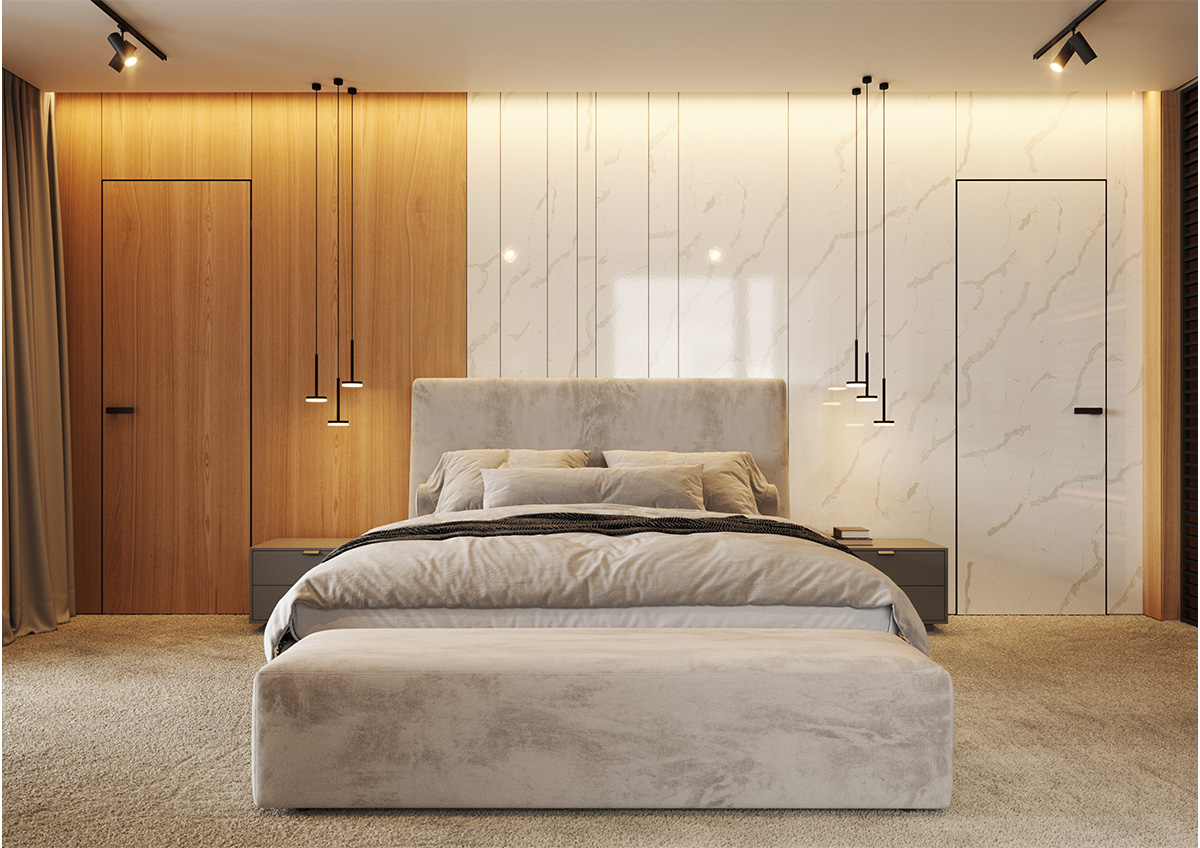 |
| MASTER doors in hidden frame AKTIVE and cladding system EFEKTA |
A specific variant is the EFEKTA system, which connects the hidden frame with the wall cladding system. The door leaf can thus carry the same material as the surrounding surface and almost disappears into the architecture of the space. Ceramic tiles, veneers, or painted surfaces create a uniform material line that supports the minimalist character of the interior.
Today, the ability to work with detail determines whether an interior will feel timeless even after years of use. Therefore, hidden frames are not just a design element but become an integral part of the architectural concept. Aesthetics must work just as well as technical solutions and everyday user comfort.
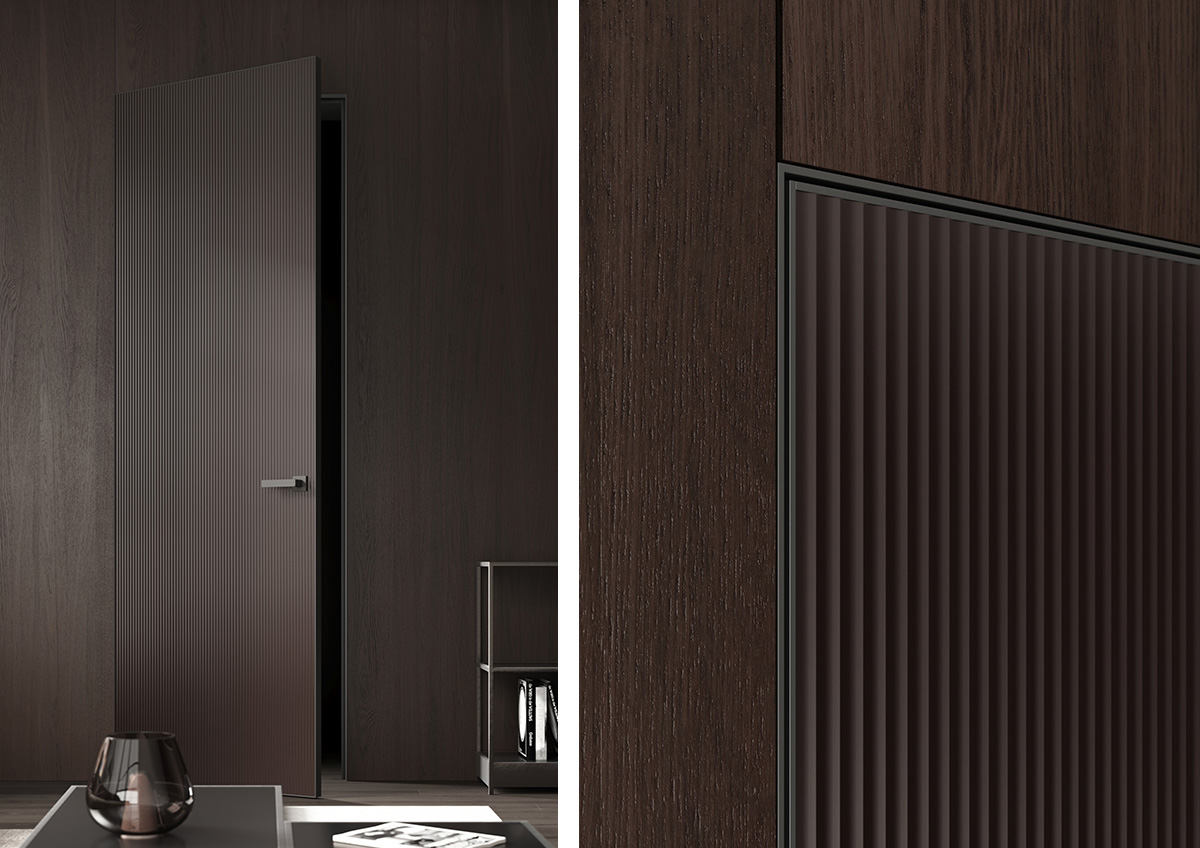 |
| On the left MASTER FLUTES doors in hidden frame and EFEKTA wall cladding, on the right detail of doors in hidden frame |
The construction of the JAP FUTURE systems uses aluminum profiles with an emphasis on long-term stability and precision. Resistance during construction realization and the possibility of connecting different types of surface finishes also play an important role. Architects thus gain a solution that supports the clean line of the space without compromises in detail.
Today, hidden frames represent more than just a minimalist trend. They are a symbol of the contemporary approach to architecture, where every detail influences the final feeling of the space. The combination of technical precision, functionality, and clean design represents the philosophy of JAP FUTURE - reason and passion in one solution. japfuture.cz
Photo: JAP FUTURE
The English translation is powered by AI tool. Switch to Czech to view the original text source.
0 comments
add comment