
The renovation of the old town hall in Svitavy will become more expensive by four million due to structural issues
 |
Demolition work revealed unexpected structural problems that will require modifications to the original project. "The demolition work is complete. During it, it was discovered that there are issues with the structure of some load-bearing beams. They will need to be replaced, and the supporting wall will also need to be reinforced. Additionally, a new reinforced concrete ceiling is planned under the tower," said Kotasová.
The city now estimates that the cost of the reconstruction will rise from eight to 12 million crowns. The completion of the town hall is planned for next year, but the exact date is unknown. "Unforeseen work will delay and increase the overall cost of the reconstruction," Kotasová added.
After the reconstruction, the investment department and the department of education and culture will move into the building. The city council hasn't had offices there for a long time; the last tenants were residential apartments.
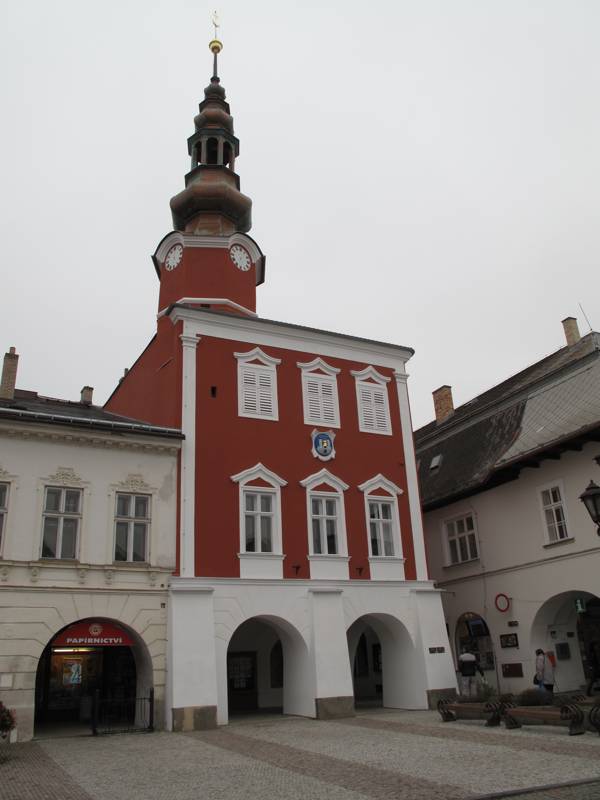
The old town hall is a one-story municipal building located in the Míru Square, with origins dating back to the 16th century. The object was originally a burgher house and became a town hall in 1538. The building has been modified several times over the centuries, including after the fire in Svitavy in 1781, when it acquired a more pronounced Baroque appearance.
An interesting feature of the building is the town hall tower, which is a prominent part of the historical appearance of the square. The old town hall is evidence of the gradual development of urban construction from the Renaissance period through Baroque renovations to later adaptations.
The English translation is powered by AI tool. Switch to Czech to view the original text source.
0 comments
add comment